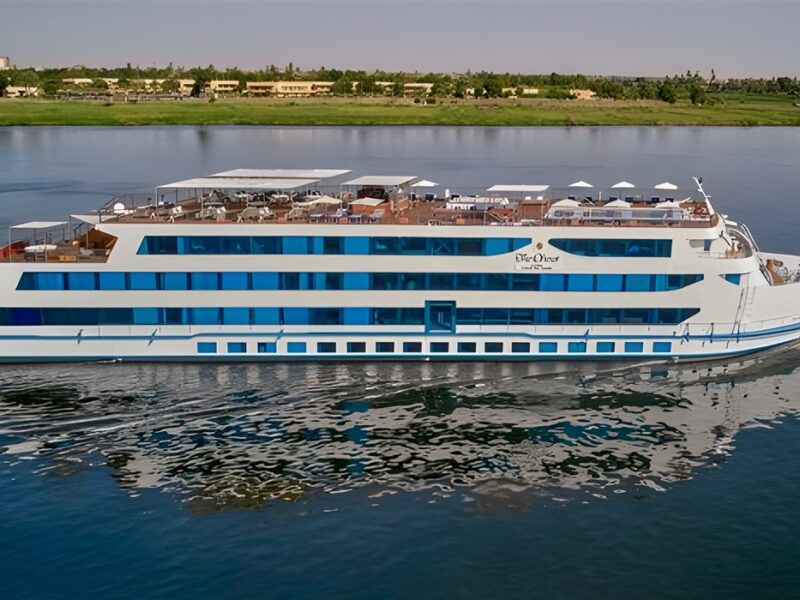
Travelling the Nile by boat remains Egypt's most spellbinding experience. The ancient stories feel most alive with history you can almost touch.
Travelling the Nile by boat remains Egypt’s most spellbinding experience. The river carries you through a landscape where time seems to fold in on itself: temple columns rise from the banks like petrified giants, date palms cluster around villages that could belong to any century, and the desert beyond glows amber in the slanting light. This is how ancient stories feel most alive, not as dusty facts but as presences you can almost touch.
There’s something deliciously unhurried about a Nile cruise, an echo of the days when travellers arrived with steamer trunks and endless curiosity, when the Nile was Egypt’s artery and thoroughfare. You’re following in those romantic footsteps, seeing what explorers and pilgrims, and even pharaohs, saw as they drifted along the Nile thousands of years ago.
The classic journey between Luxor and Aswan, or the more leisurely circuits that begin and end in either city, reveals Egypt’s most extraordinary monuments as they were meant to be approached: gradually, from the water. Karnak unfolds its forest of columns, Edfu appears with its falcon god still guarding the entrance, and Kom Ombo shows its curious double dedication to crocodile and healer, whilst Aswan offers its distinctly Nubian character and granite-island temples.
The golden age of Nile cruising began in the 19th century when European travellers, swept up in Egyptomania following Napoleon’s expedition and the decipherment of hieroglyphics, transformed the journey into a fashionable pursuit. Thomas Cook pioneered the first organised steamship tours in 1869, the same year the Suez Canal opened, making Egypt suddenly accessible to curious Victorians armed with Baedeker guidebooks and romantic notions of discovery. Before then, only scholars, diplomats, and the exceptionally intrepid had ventured upriver in traditional dahabiyas, those elegant sail vessels that required weeks to navigate the cataracts.
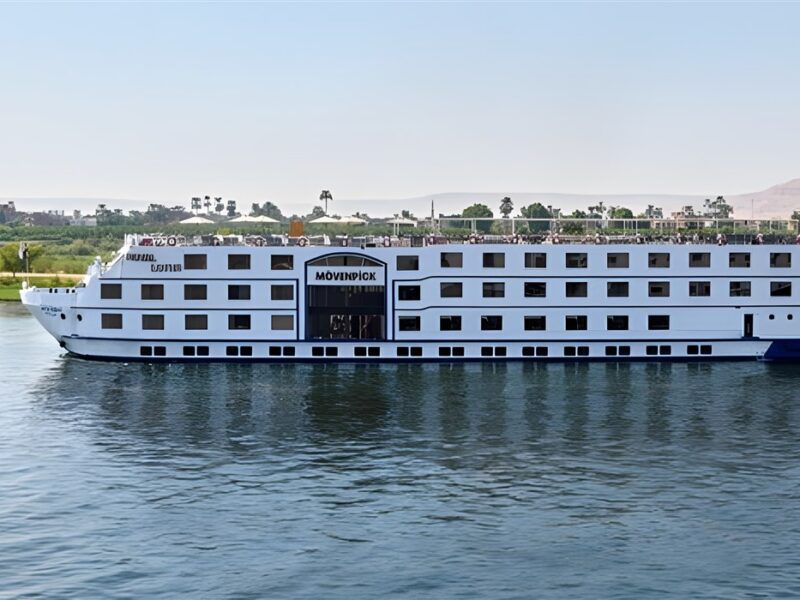
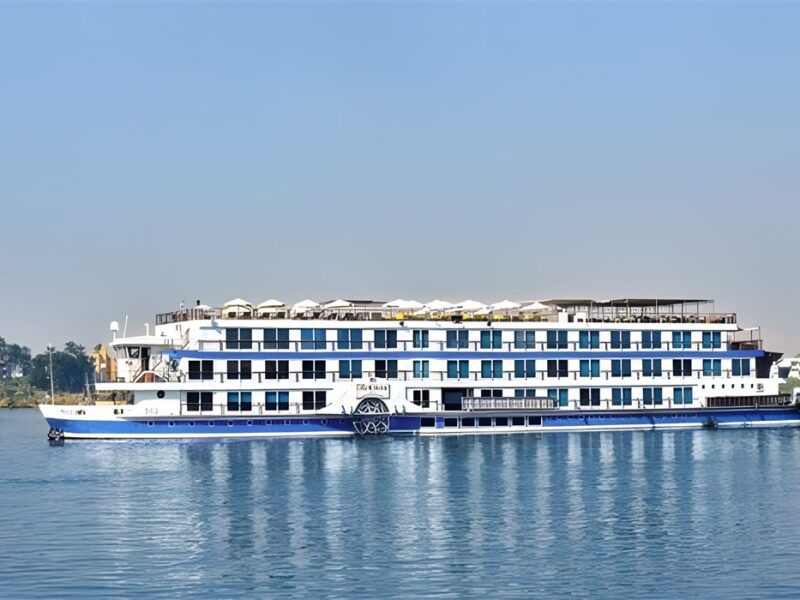
Agatha Christie famously penned “Death on the Nile” after her own 1933 voyage, cementing the cruise as the height of sophisticated travel, a reputation it’s never quite shaken off. The great archaeological discoveries of the early 20th century, particularly Tutankhamun’s tomb in 1922, only intensified the allure, and modern cruising still trades on that heady mixture of colonial glamour and ancient wonder, even as the vessels themselves have developed from wood-fired steamers to today’s diesel-powered floating hotels.
The Nile, Earth’s longest river stretching over 6,600 kilometres, etches a verdant ribbon through Egypt’s eastern deserts, feeding lush floodplains and palm-laced banks that shape the timeless Luxor-to-Aswan cruise route. Holidaymakers delight in its steady northward meander by sun-warmed cliffs, sacred isles like Philae, and scattered villages, where breezes usher in sunrise hues over Kom Ombo or twilight shadows at Edfu.
For anyone cruising between Luxor and Aswan, this landscape forms the perfect theatre, the river’s tranquil flow delivering honey-toned escarpments, temple-topped islands, and emerald fields amid arid vastness. Ancient wonders huddle along its lifeblood, ensuring your deck-level gaze captures them as pharaohs envisioned, approached by water, not roadside dust.
Cruise is part of a wider selection of EGYPT holidays and accommodation.