One of the most popular safari destinations named after the Masai people inhabiting the region.
The Masai Mara is named after the Masai people that inhabit the region and the Mara River which snakes through the Masai Mara National Reserve. It is home to abundant wildlife, most famously including the Big Five. Its rugged landscape, welcoming people and unparalleled wildlife mark the reserve as a flagship safari experience. The area has an amazing concentration of wildlife, particularly when the migratory wildebeest and zebras are grazing on the lush plains from June to October. Surrounding the Masai Mara National Reserve are a number of private conservancies owned by Masai communities.
The Masai Mara’s history provides a rich insight into an amazing African cultural gem. The Masai Mara is named after the Masai tribe who reside in the region, and the Mara River that weaves its way through the reserve. The word ‘mara’, meaning ‘spotted’, is of Masai origin and refers to the way the reserve looks from a distance with its scrub, trees, and cloud shadows that dot the plains.
The national park was established in 1961 as a protected wildlife sanctuary. At that time, it only covered 520km2 but soon grew to its 1510km2 in 1984. In 2001, the Mara Conservancy, a non-profit management company, took over the upkeep and management of the Masai Mara reserve. Their goal was to establish an effective and mutual partnership between conservation professionals and the Masai tribe, which continues to be successful to this day.
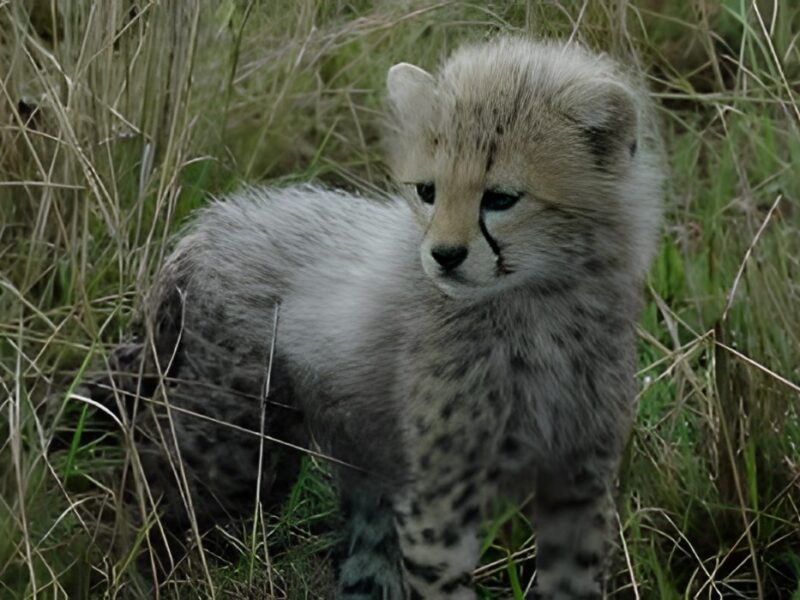
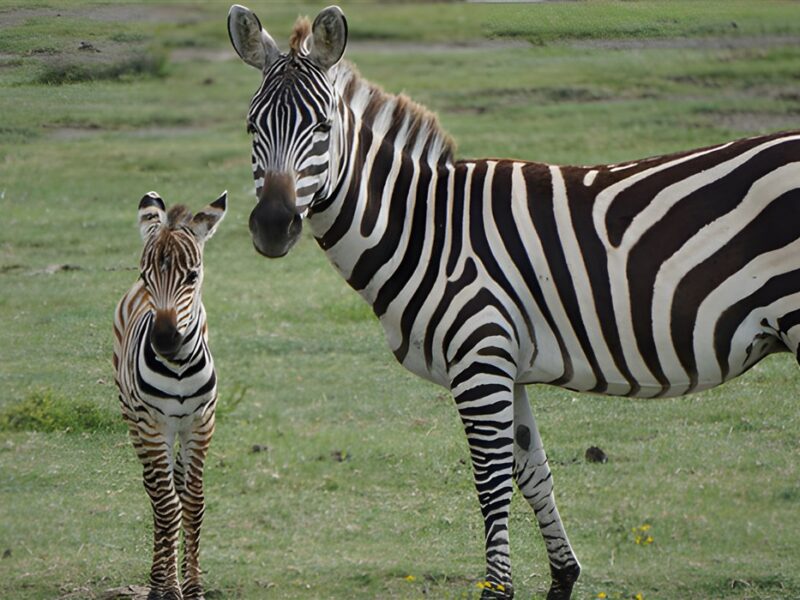
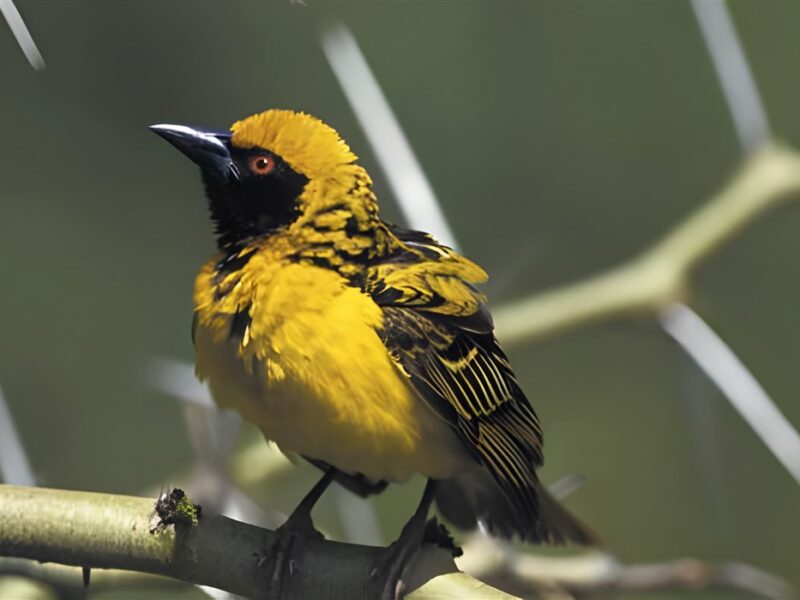
The Masai Mara is home to an abundance of wildlife including the Big Five: lions, African elephants, cape buffalo, black rhinoceros, and leopards. In addition, there are herd animals living here including zebra, gazelle and antelopes. Crocodiles, hippos, hyenas, cheetahs and jackals can also be found on the reserve. For bird watching fans, there are more than 470 species of birds that can be viewed in the national park, such as vultures, ostriches, hornbills and Kenya’s national bird, the lilac-breasted roller.
Visitors to the national reserve can witness the incredible wildebeest migration as they traverse the Great Plains between the Masai Mara in Kenya and the Serengeti in Tanzania. It’s a truly spectacular sight, with over a million wildebeest thundering across the savannah in search of greener pastures.
The Masai Mara offers amazing safari holidays year round, with each dry and wet season presenting its unique characteristics and attractiveness.
Masai Mara Dry season:
During the dry season, wildlife is easier to spot because the bush is less dense and they frequent waterholes and rivers. Between July and October, you can even have the chance to see the annual wildebeest migration.
Dry season, as the name implies, means little rainfall, so you can experience sunshine and clear skies with fewer mosquitoes. However, due to the good weather, the reserve can be rather crowded and you can expect accommodation to be fully booked. Be prepared and reserve your safari holiday early to avoid disappointment.
Masai Mara Wet season:
During the wet season, the Masai Mara is spectacularly lush and green. There is still a lot of wildlife to be seen as babies are being born at this time and migratory birds are also present. Even though it’s the wet season, showers tend to be in short bursts and occur in the afternoon or evening, thereby not likely to affect your safari holiday.
The reserve is often less crowded and rates for accommodation can drop significantly. If you’re looking to go on safari on a budget, visiting the Masai Mara during the wet season is the perfect option for you.
There is a myriad of amazing activities you can do while on safari at the Masai Mara. Take advantage of the game drives and trekking tours that are on offer, as they will allow you to see some extraordinary wildlife. You will also have the opportunity to learn more about the flora and fauna of the Masai Mara from our excellent guides. For a different perspective of the Masai Mara, join a wildly exciting night drive. Experiencing the huge plains in the dark is an unforgettable addition to your safari adventure.
If you’re interested in learning more about the tribes people who have made the Masai Mara their home, visit a Masai village during your safari holiday. There you can experience what life is like for a Masai community and see their unique way of living first hand.
For something more unusual, you can take an incredible hot air balloon flight over the national reserve to embrace the beauty of the Masai Mara from the skies. Such a journey could bring a touch of luxury to your safari holiday and will definitely be something you’ll never forget.
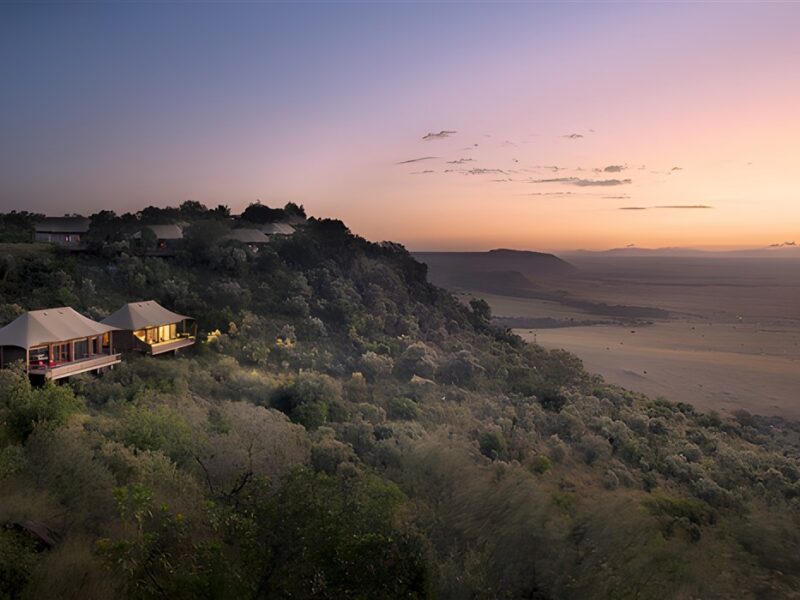
Located in the Rift Valley Province, in south-western Kenya, the Masai Mara is perhaps one of the most famous safari national reserves in Africa, and with an area of 1510km2, it is also the largest. Three major rivers drain the reserve: the Sand, the Talek, and the Mara, and all provide sanctuary for the abundance of wildlife that can be found here. With open grassland plains and shrubbery, the Masai Mara contains mostly flat terrain, which makes for easy wildlife spotting and is therefore the perfect place for a safari holiday.
Masai Mara is part of a wider selection of KENYA holidays and accommodation.