Stunning Rift Valley lakes feature vibrant wildlife, flamingos, and scenic volcanic landscapes.
The main lakes of Kenya’s Great Rift Valley include Lake Nakuru, Lake Naivasha, Lake Mgadi and Lake Victoria. The area is a bird watcher’s paradise, boasting an incredible variety of bird species including flamingos.
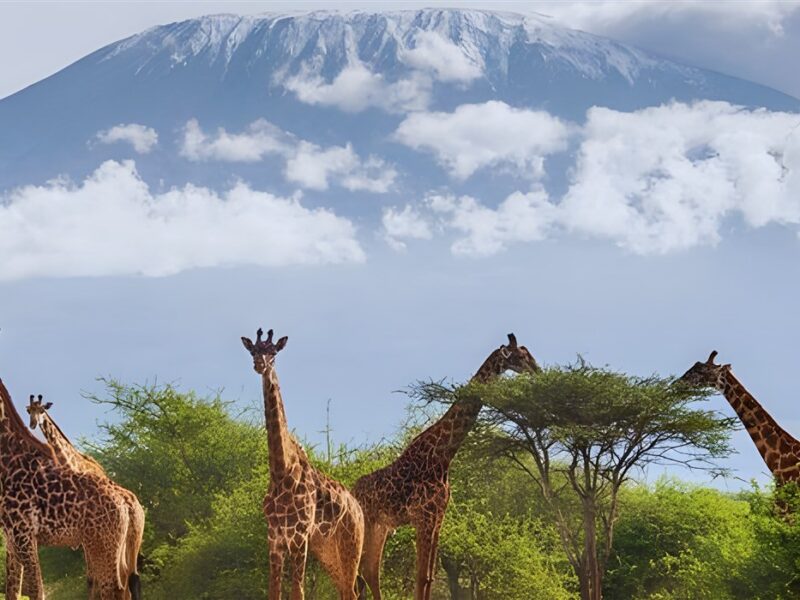
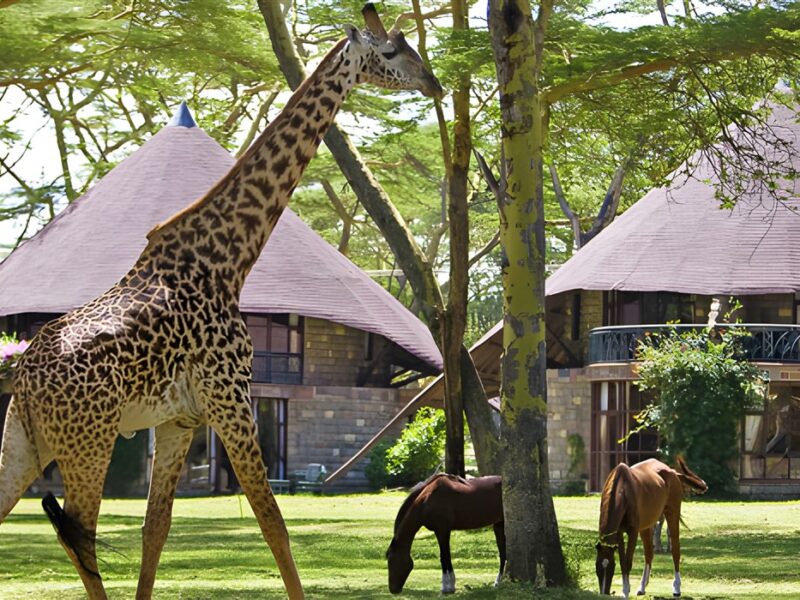
Lake Naivasha is one of two freshwater lakes in Kenya’s Rift Valley. The surrounding papyrus and acacia woodlands provide a haven for many animals including giraffes, buffaloes, colobus monkeys, and hippos. Explore the area by foot or enjoy a leisurely boat ride on the lake. Lake Nakuru National Park is a fenced area, which provides a sanctuary to one of the largest populations of black rhinos in Kenya, as well as Rothschild’s giraffes, leopards and lions.
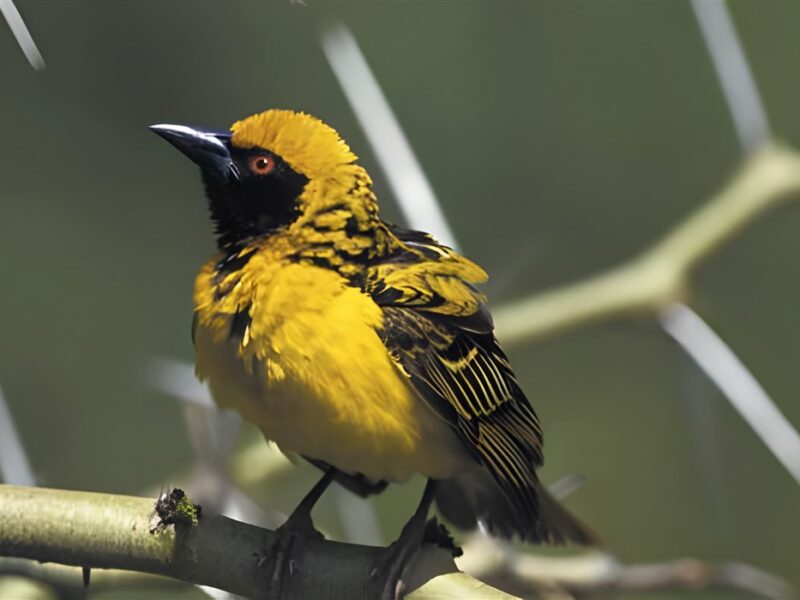
Over 240 species of birds have been recorded in and around the freshwater lake of Lake Naivasha. The best time for bird watching is from October to March when the migrant birds from Europe inhabit the area. The alkaline lake often attracts flamingos, pelicans, cormorants and terns.
Lake Nakuru
Lake Nakuru is situated within the Lake Nakuru National Park. The national park was created in 1961 and stretches 188km2 around the lake itself. In the 1990s, the water level of the lake dropped significantly but has since recovered. In 2013, the opposite occurred; the water levels in the lake increased dramatically and caused the flamingos living on the lake to migrate to nearby lakes in search of a food supply.
Lake Naivasha
Lake Naivasha has become a premier site for floriculture, growing flowers such as roses and carnations. This is one of the main industries in the area but the use of lake water for irrigation is unregulated and has become a concern. Historically, the water level of the lake has been an issue as it changes constantly. In the 1890s, for example, the lake almost dried up. This makes the floriculture industry in the area extremely unstable. The other important source of income for locals living in the vicinity of the lake is fishing.
Lake Magadi
Lake Magadi was once a freshwater lake but is now a saline, alkaline lake. This freshwater basin existed several thousand years ago and was filled with many fish. Historical evidence also suggests that Lake Magadi was originally much larger than it is now, having once been combined with the nearby Lake Natron.
Lake Victoria
Arab traders in the 1160s created the earliest recorded information about Lake Victoria. These traders mapped inland routes within Kenya as they searched for gold and ivory. Later, John Hanning Speke was the first Briton to document the lake in 1858. He decided to name it after Queen Victoria, the queen of England at the time.
Lake Nakuru
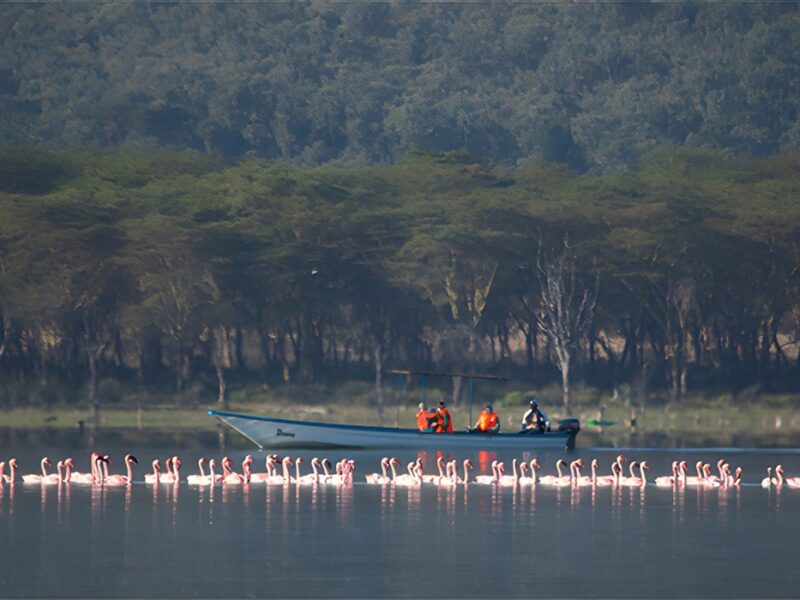
This alkaline lake provides perfect conditions for algae to thrive. This in turn creates a plentiful food source for the flamingoes that live on the lake, and more than 400 other bird species in and around the lake, including the African fish eagle and the Goliath heron.
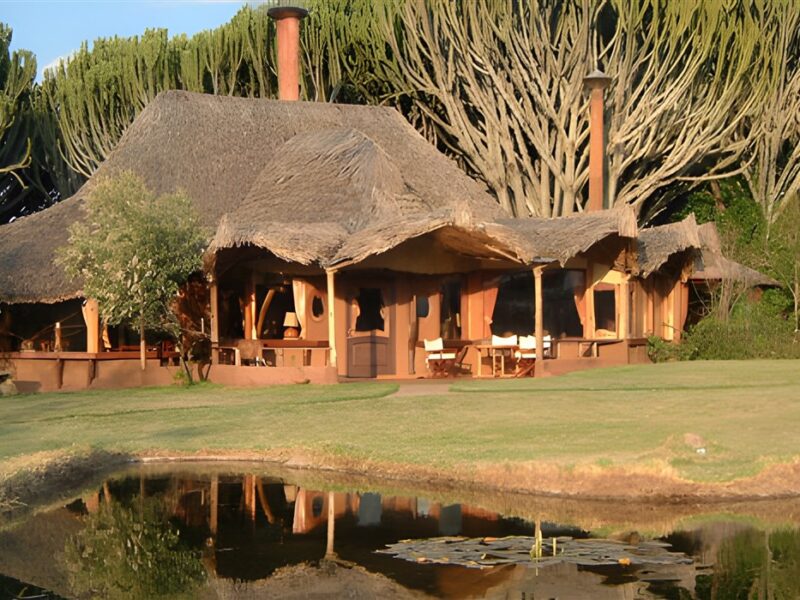
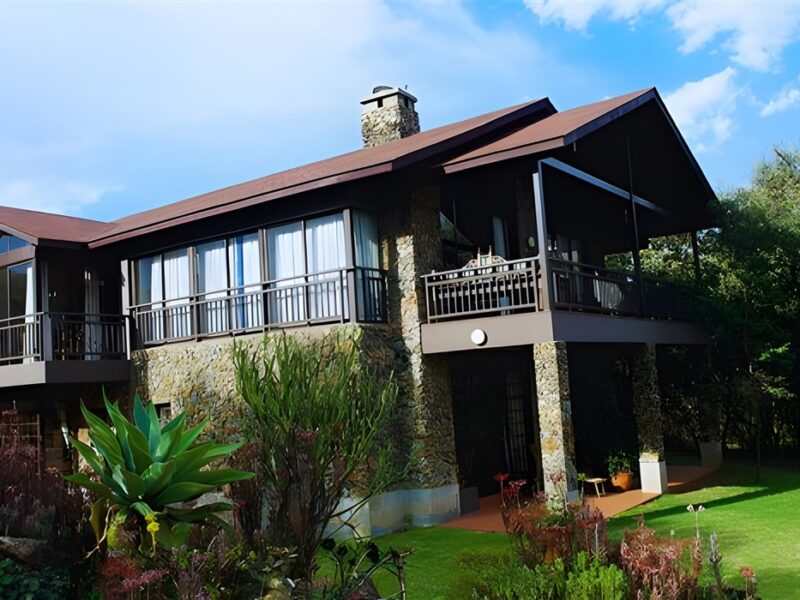
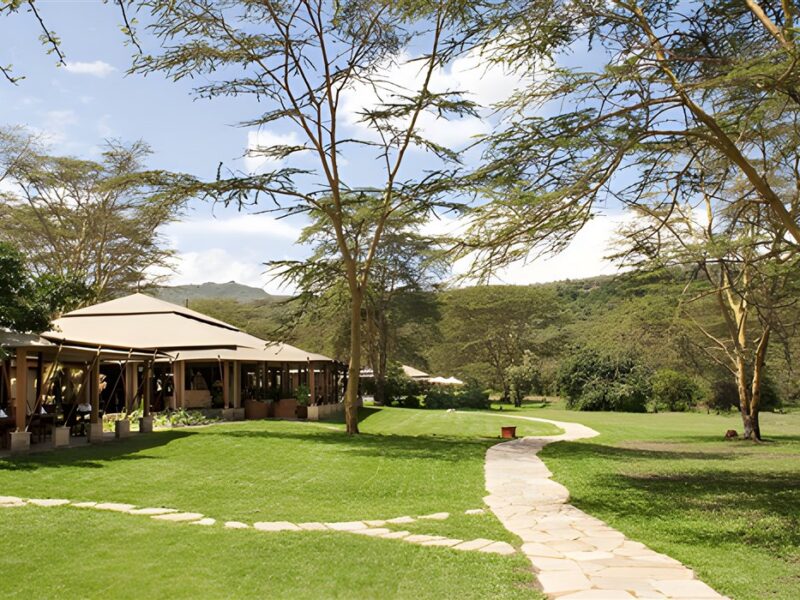
Lake Nakuru Lodge, the densely animal-populated wetland national park, makes the perfect base for bird watching and game drives to spot a host of animals.
Lake Naivasha
The best way to see Lake Naivasha is on our Lakes and Plains package. With two days at the lake, you may see as many as 400 different bird species and a large population of hippopotamus. Many endemic fish also live in the lake, but numbers have fluctuated over the years, particularly after the accidental introduction of the common carp in 2001.
Lake Magadi
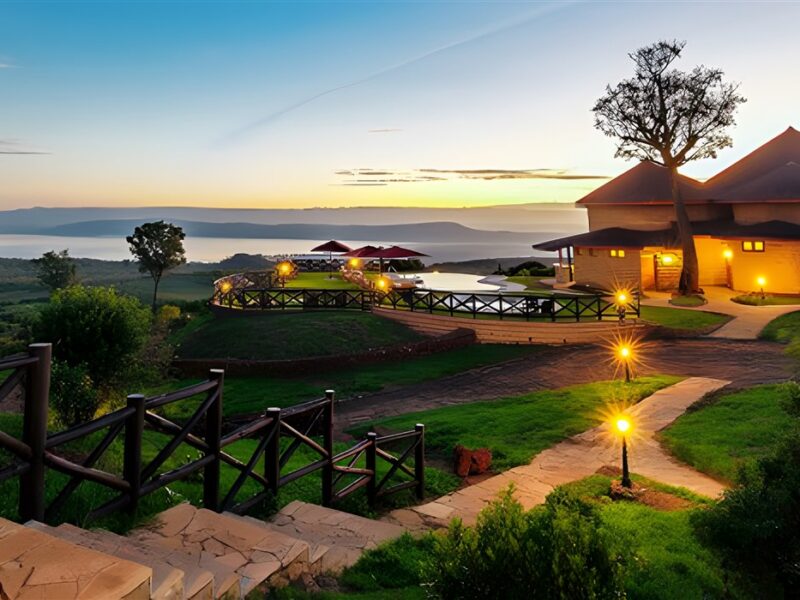
The Serengeti Pioneer Camp offers panoramic views of Lake Magadi, allowing you to spot some of the mammals that live around the lake. There are many bird species living on the lake such as flamingos, pelicans and white storks. Not many fish species live in the lake because of its temperature and salinity, but there is one species of cichlid fish that thrives in the hot alkaline waters of the lake.
Lake Victoria
Hippopotamus, the African clawless otter and the spotted-necked otter are some of the mammal species that live in the Lake Victoria region. There is also a large population of Nile crocodiles as well as various species of turtles. Most impressive is the fish biodiversity, with more than 500 different endemic cichlid species alone, as well as eels, catfish, tetras and lungfish. You may see all these animals and more during our Governors Flying Safari package.
Kenya is relatively warm all year round so you can always have a great time at any of the lakes in the Rift Valley.
Dry season – June to October
During the dry season, you’ll have an excellent chance to see some incredible wildlife around the lakes. This is because many of the water sources on the mainland dry up at this time, so animals flock to the lakes looking for water. As well as this, the surrounding bush is less dense making it easier for you to spot a wide range of animals.
The dry season is also the peak season, so there may be some competition regarding accommodation – it’s important to book your African adventure early to avoid disappointment!
Wet season – November to May
During the wet season, the lake regions are beautifully lush and green, with more flora lining the banks of the lakes and the surrounding area. For fans of bird watching, this is the best time of year to visit, as you’ll have more chances to spot some rare birds.
Be aware that although daytime temperatures are warm, evenings can get quite cool so layering up is key. The wet season also brings rain, which may cause certain tracks and roads to be muddy or, in some cases, closed. Storms are more likely to occur and the water on the lakes may also be very choppy, meaning that some boat trips may be cancelled. Therefore, it’s best to check before you travel.
The biggest draw to the Rift Valley Lakes is the plethora of wildlife on offer. One way of seeing all this wildlife is on a game drive. You’ll be able to get up close and personal with a range of animals from the comfort of your vehicle. Another way of becoming immersed in the local landscape is by taking part in guided bush walks. Your knowledgeable guide can show you how to track certain animals and give you more information about the lakes.
At the Kenyan Rift Valley, the best way to see the splendour of each lake is by taking a boat trip. Heading out on a boat is the perfect way to see the wildlife that calls the lake home, from the many birds to the hippos and crocodiles. Many lodges in the Rift Valley also offer catch-and-release fishing activities. You can try your hand at catching some spectacular fish species before releasing them back to their watery homes.
With the lakes being home to hundreds of birds, the entire Rift Valley area is a haven for bird watchers. Take your binoculars and your camera and try to spot as many different species as you can, from storks and flamingos to eagles and pelicans.
The Rift Valley Lakes in Kenya include Lake Nakuru, Lake Naivasha, Lake Magadi and Lake Victoria. Situated along the East African Rift, these lakes are home to one of the highest bird diversities in the world, providing excellent safari experiences, particularly for those interested in birding.
Lake Nakuru
Lake Nakuru is an alkaline lake located 164km north of Nairobi. It contains high concentrations of carbonate salts. Despite this, it supports a diverse ecosystem. The lake sits 1,754m above sea level, to the south of Nakuru town and within the Lake Nakuru National Park. Nakuru, in the Masai language, means “dusty place”, which alludes to the savannahs of the surrounding region.
Lake Naivasha
Lake Naivasha is the highest Kenyan Rift Valley Lake at 1,884m above sea level. Its geological composition comprises volcanic rocks and sedimentary deposits, and it’s fed by the Malewa and Gilgil rivers. The name derives from the Masai word, Nai’posha, meaning “rough water” and refers to the sudden storms which can rise over the lake.
Lake Magadi
Lake Magadi lying on volcanic rocks, is the southernmost lake in the Kenyan Rift Valley. It’s an alkaline lake reaching approximately 100km2 across and is covered in salt deposits up to 40m thick. It is fed by saline hot springs that can reach temperatures of up to 86C.
Lake Victoria
At approximately 68,800km2, Lake Victoria is Africa’s largest lake by area and is also the world’s largest tropical lake. The lake is divided across three countries: Kenya, Uganda and Tanzania.
Rift Valley Lakes is part of a wider selection of KENYA holidays and accommodation.