Chobe National Park is one of the best safari destinations in Botswana with a great concentration of elephants, rhinoceros, lions, buffalo and leopards in a variety of ecosystems.
Botswana’s Chobe National Park is an expansive, varied and unmissable treasure.
Best known for its enormous elephants, which roam the grasslands in herds of hundreds, the park is also one of Africa’s greatest destinations for wildlife watching in Botswana.
Drawn to the area by the wetlands of the Chobe River, the concentration of game is one of the densest on the continent and is especially vibrant during the dry season from April through October.
The sheer diversity of mammals that congregate around the river will impress those who approach by four wheels, but travellers keen on getting even closer to the wildlife should take a boat up the river. Adventurers looking for a more authentic experience will be keen to take to the water in a traditional mokoro so they can glide past the buffaloes, hippos and giraffes, refreshing on the banks.
The scale of the Chobe National Park means it’s an expanse of contrasts. Travellers who head south to Savuti will experience the ultimate African safari in Chobe with the landscape recast as dusty terrain, torched grass and terrific orange sunsets.
Here, the plains become the prowling grounds of big cats, with lions, cheetahs and leopards all on the hunt for migrating zebras, wildebeest and impala. Botswana has riches for all, and a Chobe National Park safari holiday is certainly an unforgettable experience.
Before Chobe was established as a national park, the area was inhabited by the San: nomadic tribesmen who moved around seeking food sources. Even today, there are many San paintings that exist inside rocky hills within the park, a reminder of the indigenous people who once lived there.
In 1931, an area of 24000 km² was sectioned off as a no-hunting zone in order to protect the wildlife there. This was later extended to 31600 km² two years later. However, Chobe was not officially declared a national park until 1967. By this time, the park had decreased in size to 11700 km², and human activity within the area continued to be prolific, particularly within the timber industry. By 1975, Chobe National Park was fully established as a protected area, independent of human intervention. Today, it continues to be a haven for animal life and sees thousands of tourists come to admire its vast plains and diverse wildlife every year.
Chobe National Park promises an epic safari experience for visitors to Botswana. The park is home to an incredible elephant population, with over 50,000 of these gentle giants roaming the plains. Chobe is also the perfect place to view the rest of the Big Five – rhinoceroses, lions, buffalo and leopards can all be spotted throughout the park.
Other large mammals such as giraffes, zebras, hyenas, antelopes, wildebeest and hippopotamus also reside in the park, presenting some of the best animal life Africa has to offer. To top it all off, the rivers and marsh areas are filled with crocodiles and also showcase rich birdlife, with over 450 species to find in and among the trees and bushes.
Chobe National Park offers exceptional wildlife viewing all year round. Although there are two main seasons, visiting the park at any time of year will still give you an incredible experience.
Dry season – May to October
Animals are much easier to spot during the dry season because the vegetation is less dense and they tend to congregate around waterholes and rivers. Even though the dry season is peak season, Chobe doesn’t get as crowded as some other national parks. However, the Chobe River can get very busy, as it’s one of the best places to spot a multitude of animals. Mornings and evenings can get very cold, so wearing warmer clothes on early morning game drives is advisable, particularly in June, July and August.
Wet season – November to April
The wet season is characterised by increased rains. This causes the vegetation to be a lot greener and denser, which may hinder you in finding some animals but shouldn’t affect your experience too much. Newly born animals and migratory birds can be spotted at this time, providing you with excellent opportunities to take that perfect safari photograph.
January and February are the wettest months of the season, sometimes raining for days on end. This may cause flooding in some areas and could mean that certain camps and lodges will be closed, so it’s important to check this before you travel. October and November are Botswana’s hottest months and may not be ideal for visiting as many game drives require you to sit out in the sun for hours while searching for wildlife.
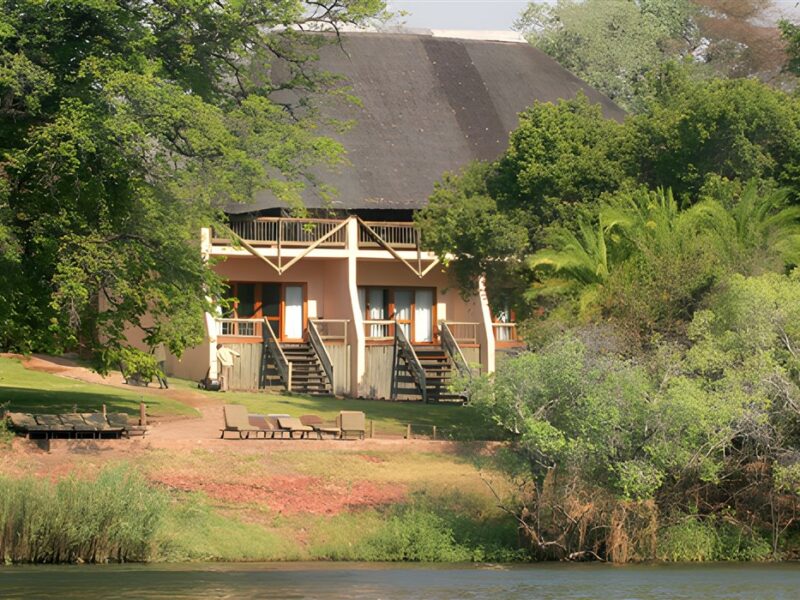
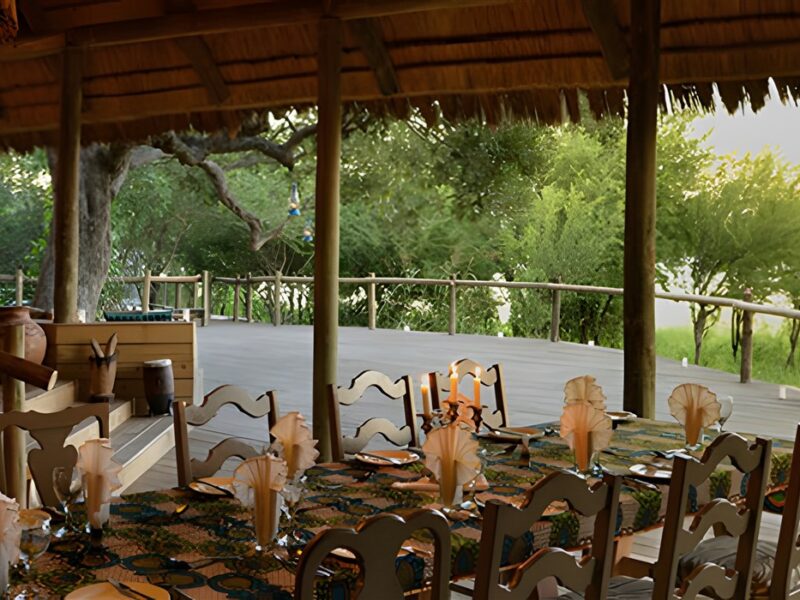
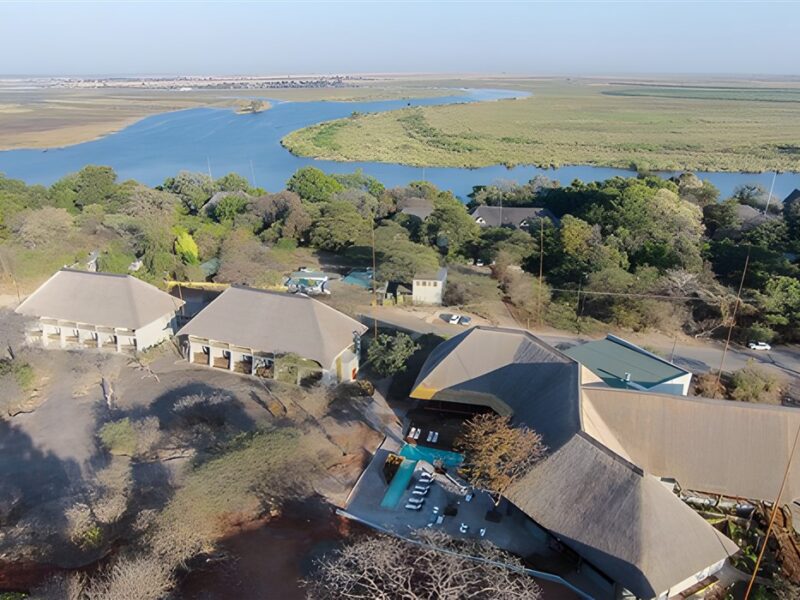
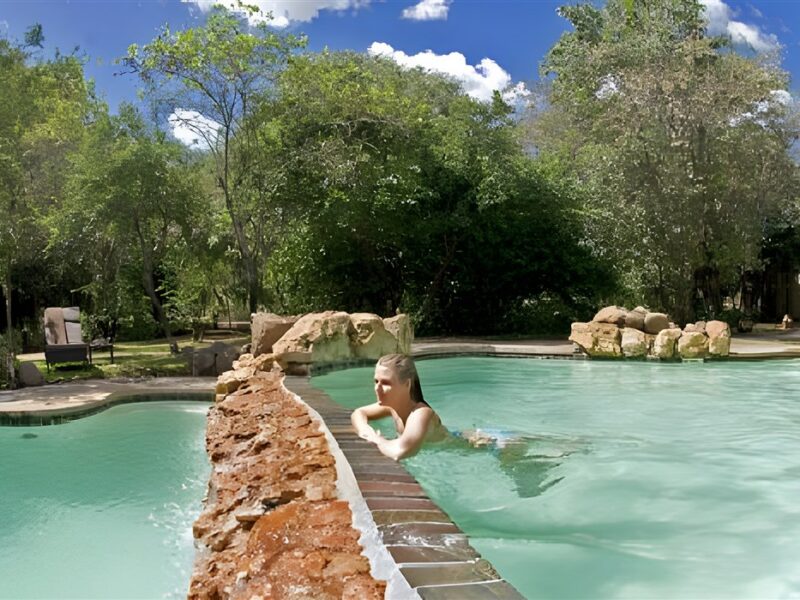
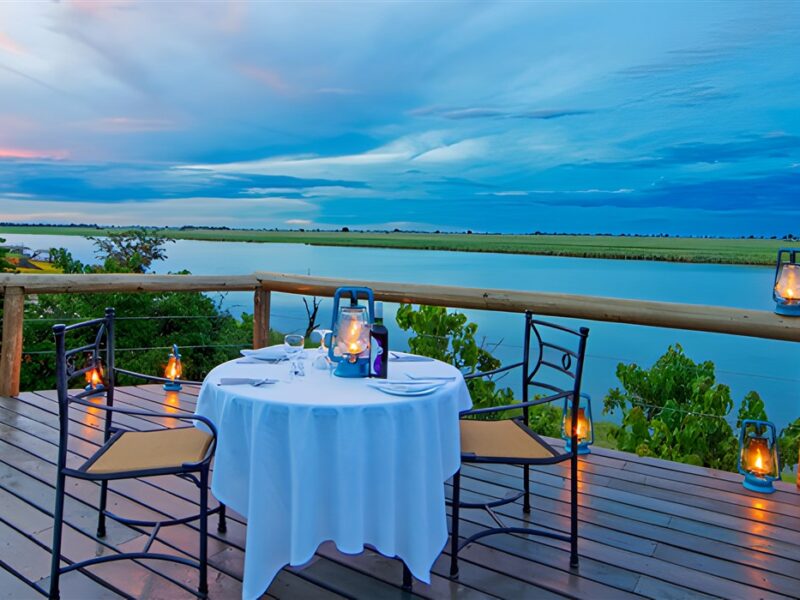
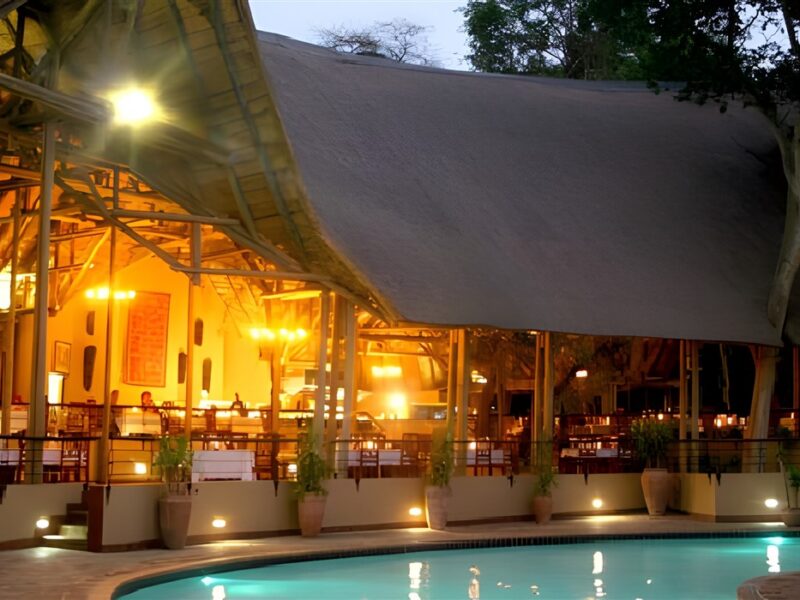
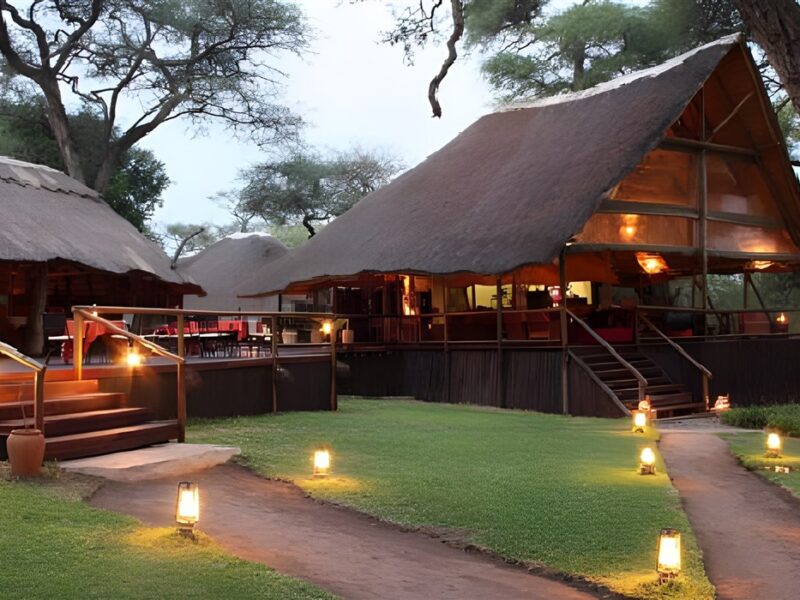
On our popular Chobe National Park safari package includes four game drives, either in an open 4×4 vehicle or by a powerboat. You can also choose to stay in one of the two fantastic Chobe safari lodges.
A Chobe National Park safari holiday promises epic adventures for its many visitors. Heading out on a game drive is the perfect way to see wildlife in their natural habitat – and you can do it either in an open 4×4 vehicle or by a powerboat in Chobe. As well as the great species diversity on offer, Chobe’s gorgeous landscapes and varied ecosystems are a truly spectacular sight.
For a more unique animal experience, you can traverse the Chobe River on a sunset cruise. Travelling on the water will give you the best opportunity to see the many birds, hippos and crocodiles that make the river their home. If you’re lucky, you might be able to see a herd of elephants cross the river as they make their way to their evening grazing areas.
For a taste of authentic Botswana culture, visit a traditional tribal village. Once there, you can observe how customary practices have been passed down for generations and learn about the cultural heritage of the region.
Chobe National Park, located in northern Botswana, has one of the largest concentrations of wildlife in Africa. As well as being Botswana’s first national park, it is also the most biologically diverse, boasting various ecosystems that support an astonishing range of wildlife, promising an epic Botswana safari holiday.
There are four main areas within the park:
The Serondela area – lush floodplains and deep woodlands – lies along the banks of the mighty Chobe River, which is an essential watering spot for the animals in the national park.
The Savuti Marsh area – marshland, broad savannahs and wild grasslands – provides ample habitats for the varied wildlife in the area.
The Linyanti Marsh area – dense woodlands, lagoons and floodplains, intersected by the Linyanti River and the Kwando River, which are filled with healthy populations of hippos and crocodiles.
The Hinterland area – grassy woodland with a hot and dry climate – is the perfect home for the eland antelope.
Chobe National Park is part of a wider selection of BOTSWANA holidays and accommodation.