Bordering Mozambique to the north, the Kruger National Park is the most well-known, and one of the largest parks in Africa. It covers parts of Limpopo and Mpumalanga Provinces.
Covering close to 2 million hectares, Kruger National Park is the most well-known and one of the largest parks in Africa. Several private reserves run along the western border – with no fences between the national park and the private reserves, wildlife roam freely across the area, providing you with the ultimate safari experience in South Africa.
Kruger National Park is ideal for self-drive safaris, with entry gates situated in key areas, smooth roads and accommodation strategically positioned around the park. When you choose one of the many private game reserves, game drives are operated with a game ranger.
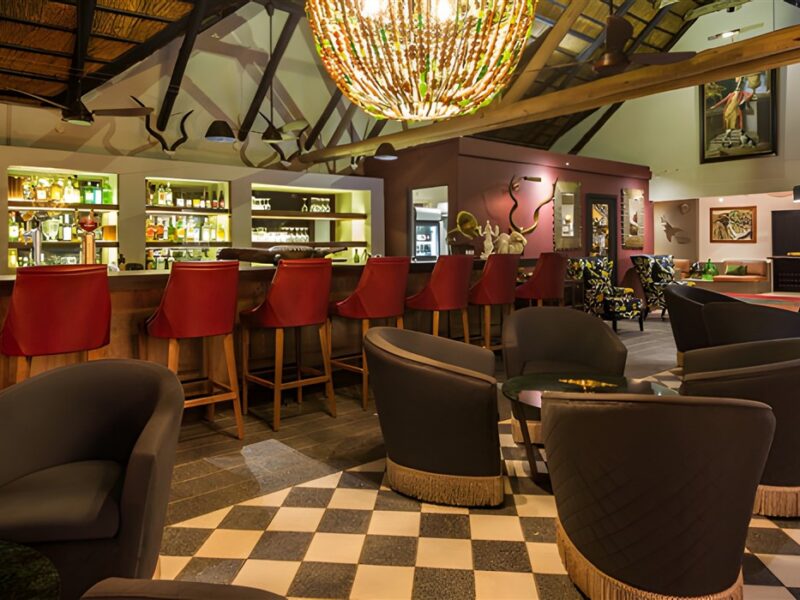
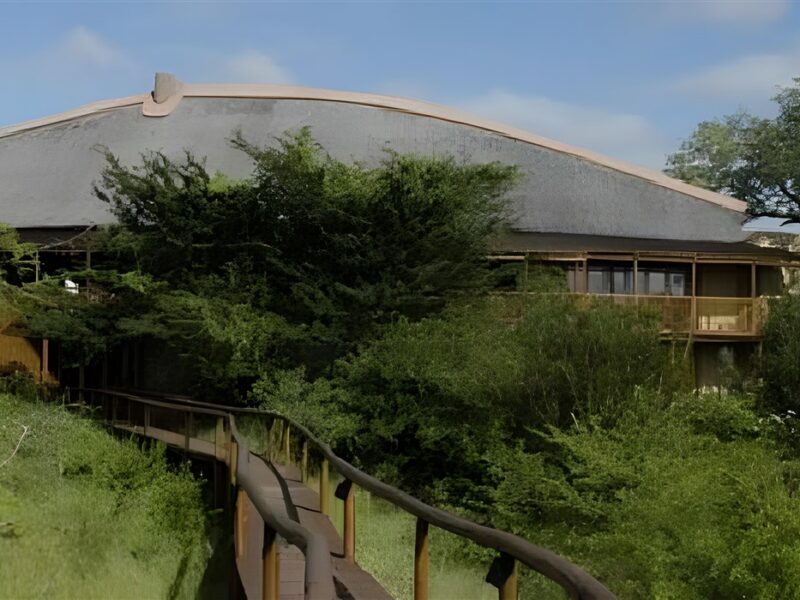
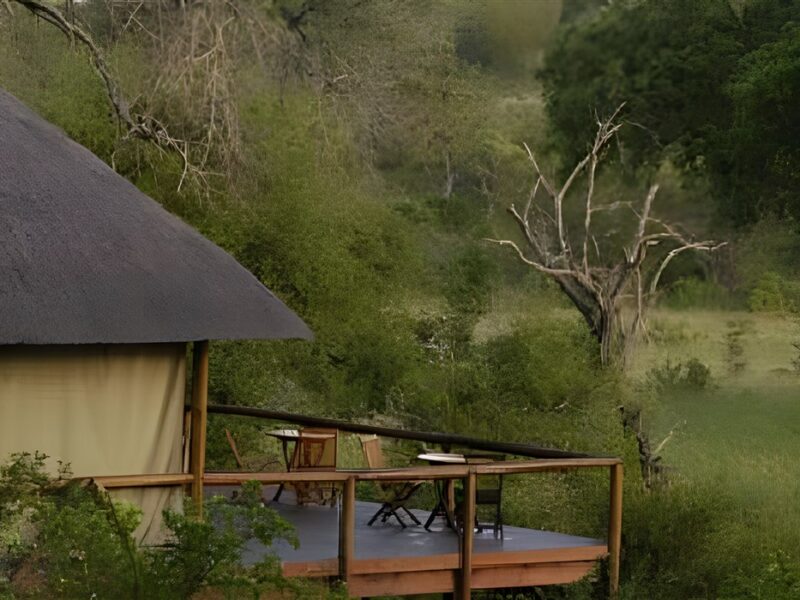
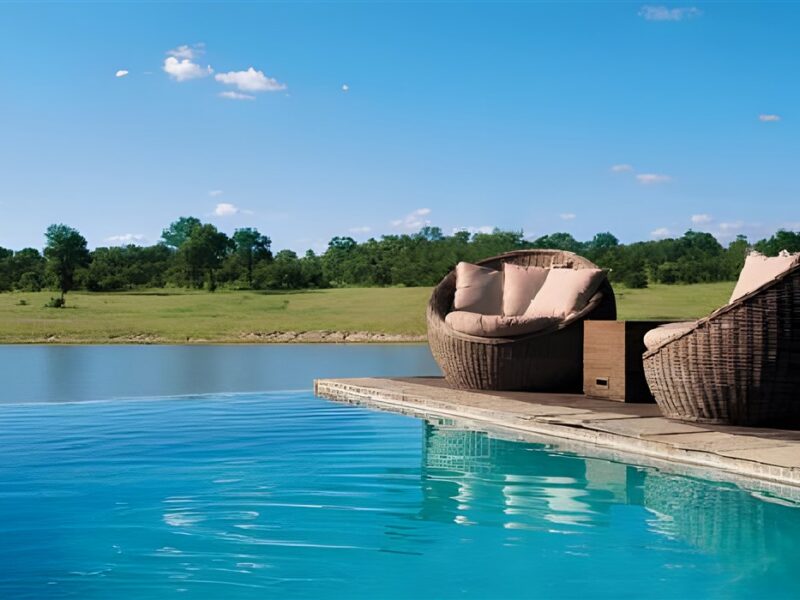
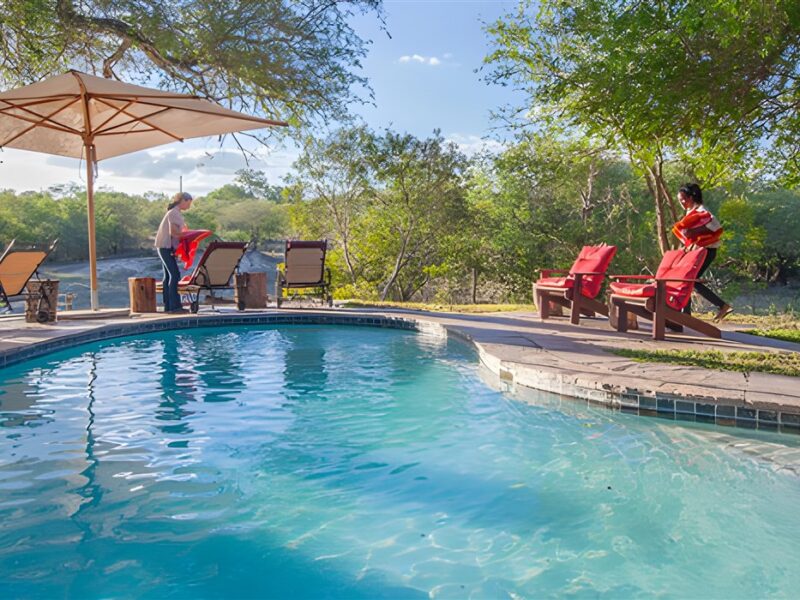
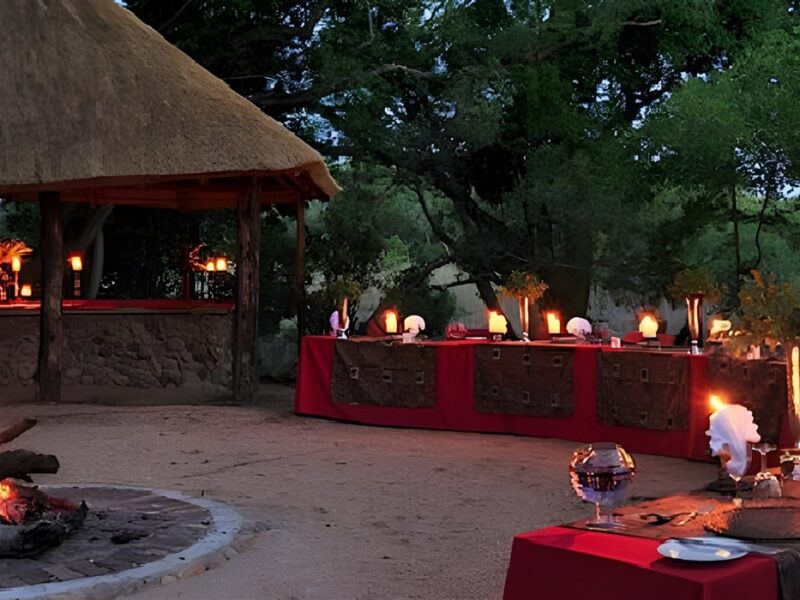
Accommodation in the private game reserves is usually of a very high standard.
The modern history of Kruger National Park dates to 1898, when Paul Kruger, the President of the South African Republic, set aside a game reserve to protect animals living in the ‘Lowveld’, or flat grasslands. To do so, the Dutch Boers – led by Kruger – forcibly claimed the land from its original inhabitants, the Tsonga people.
The park was first known as the Sabie Game Reserve until it was merged with the Shinwedzi Game Reserve in 1926 following the National Parks Act. After this, it became the Kruger National Park and expanded to its current size. Ian Player, the brother of the famous South African golfer, Gary Player, was highly influential in the creation of the park as it exists today. As a game ranger in the 1950s, he introduced many of the wilderness trails and walking safaris that have made the park an ideal safari destination known around the world.
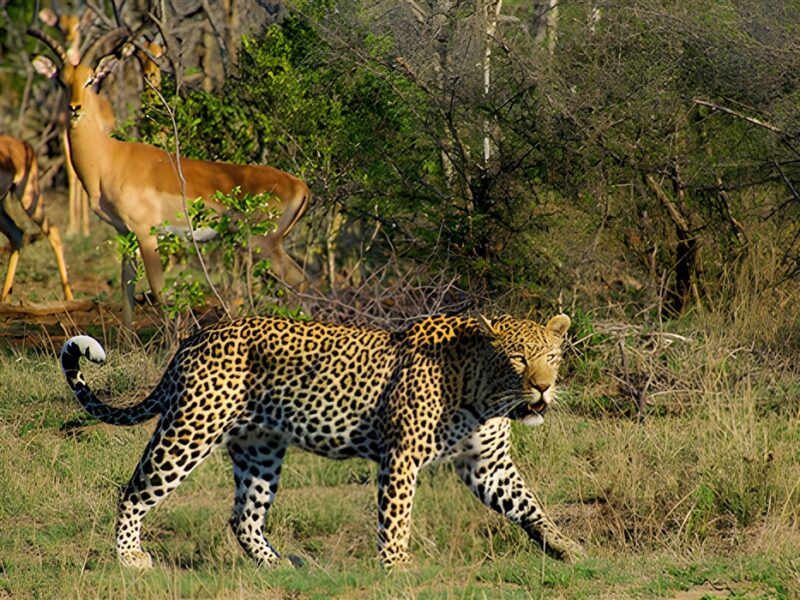
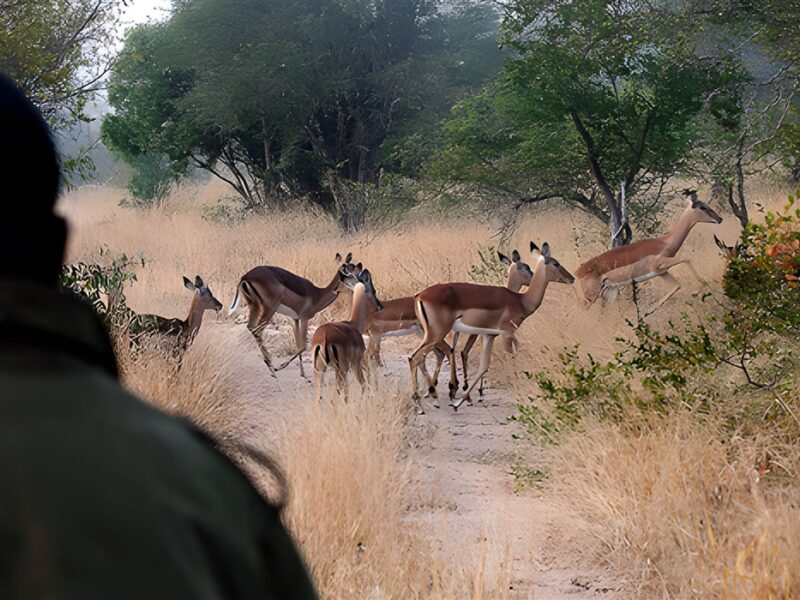
The variety of animal life at Kruger National Park makes it a prime safari holiday destination. Apart from Africa’s typical Big Five (elephant, lion, rhino, leopard and buffalo), animals that call Kruger home include 147 species of mammals, 507 species of birds, 114 species of reptiles, 49 species of fish and 34 species of amphibians. Bird watching is popular in certain regions of Kruger and the park is also home to some extremely rare animals, such as the lungfish, which can be spotted throughout the park’s seven rivers.
Of course, the ‘Big Five’ remain as popular as ever and Kruger has an impressive showcase of approximately 1,500 lions, 17,000 elephants, 48,000 buffalo and 1,000 leopards. The sheer enormity of Kruger and its animal life is unrivalled in South Africa and makes for an unforgettable safari experience.
At Somak, we offer a 14-night Rainbow National tour that showcases some of the very best that South Africa has to offer. The tour includes a stop at Kruger National Park where you will spend a day enjoying game drives and spotting wildlife.
Kruger National Park has two main seasons that offer two unique safari experiences.
Dry Season – May to September
Winter is unquestionably the best time to observe wildlife at Kruger. The dry climate leaves the bushveld sparsely covered, exposing animals of all kinds for safari-goers. With little rain, wildlife moves toward waterholes, dams and rivers, which become hotbeds of photogenic activity.
While daytime temperatures during the winter are pleasant, night-time temperatures necessitate warm clothing. For animal enthusiasts looking for a comfortable and authentic safari experience, winter is the ideal season to visit Kruger.
Wet season – October to April
The rainy season fills Kruger’s rivers and waterholes, leaving the bushveld especially thick. This can make game viewing more difficult than in the dry winter season. Nonetheless, summer months provide those on safaris with unforgettable views of many newborn animals, as well as unmatched birding when migrant flocks arrive.
Visitors are recommended to travel in air-conditioned vehicles during the summer months as daytime temperatures can reach sweltering highs of 30C.
Kruger National Park offers an exciting range of activities for travellers. As South Africa’s most esteemed National Park, and one of Africa’s finest, Kruger has built a reputation for its wildlife and safaris. From high-end tours to classic safari excursions in open vehicles, there are a variety of ways to see Kruger in all its rugged glory. Home to the largest number of mammals in all of Africa, Kruger truly offers unparalleled wildlife viewing.
For those interested in the history and archaeology of the region, Kruger presents a fascinating addition to your typical safari. Bushman rock paintings colour Kruger’s southwestern foothills and encapsulate the spirituality and daily life of Late Stone Age hunter-gatherers. A great way to see much of this rock art is through the Bushman Walking Trail near Berg-en-Dal. Easily accessible Iron Age archaeological sites like Masorini and Thulamela also add to the human history of the region.
Other popular activities at Kruger include bird watching, mountain biking and golfing. Kruger National Park boasts four fantastic golf courses that are best played in winter. Gaze at a lion herd in the morning and play a round of golf in the afternoon at Kruger, there is a once-in-a-lifetime experience waiting for everyone.
Kruger National Park in north-eastern South Africa encompasses a massive area of 19,633 km², positioning it as one of the world’s ten largest national parks. Straddling South Africa’s border with Mozambique, the park covers parts of the Limpopo and Mpumalanga provinces and includes a wide variety of terrain and wildlife. The park’s three natural borders lend it distinct regional differences in plant and animal life. To the north and south of the park, the Limpopo and Crocodile Rivers flow eastward toward the Indian Ocean. To the east, Kruger National Park ends at the Lebombo Mountains, which separate South Africa from Mozambique. A Kruger National Park safari holiday will see you drive through its vast network of roads with scenic views of bush plains, tropical forests and dramatic kopjes.
Kruger National Park is part of a wider selection of SOUTH AFRICA holidays and accommodation.