The word 'Serengeti' is derived from a Masai word meaning 'endless plains'. The large populations of lions, cheetahs and leopards are permanent residents.
The word ‘Serengeti’ is derived from a Masai word meaning ‘endless plains’, a fitting title for Tanzania’s most famous national park. During the annual migration over a million animals undertake the treacherous journey to the western Serengeti and the Masai Mara. The large populations of lions, cheetahs and leopards are permanent residents.
The Serengeti can be visited independently on a fly-in safari, or featured in our road safari circuit itineraries. The park is stunning with endless savannah plains, acacia trees and rocky kopjes. It is the site of much of the annual wildebeest migration, which sees over a million wildebeest, accompanied by thousands of zebras, as they undertake a treacherous journey across the plains of the Serengeti to Kenya’s Masai Mara National Park. Although the exact timings and route can change each year, the migration follows a similar path, mainly determined by the rainfall.
Between the months of December and mid-March the animals are found grazing on the Serengeti Plains.
The calving season occurs for a few weeks in February, when around 500,000 calves are born.
In March and April, as the plains become depleted, the wildebeest and zebras start their migratory journey west.
June and July normally sees the transition period between the rains and the dry season and the herds move north towards the Masai Mara.
Throughout the migration the wildebeest and zebras are at risk from predators.
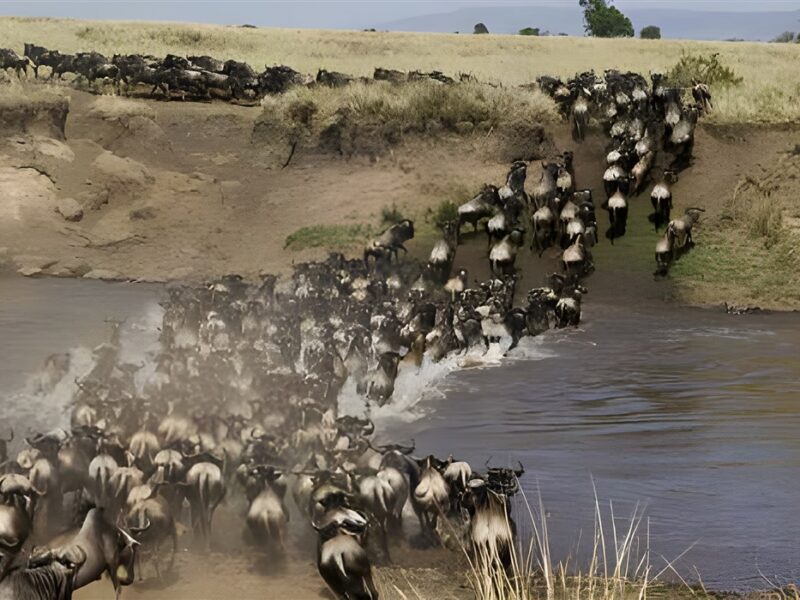
During July and August they face a dangerous crossing of the Mara River. Many animals will die from drowning or crocodile attacks as they attempt the crossing.
Those who survive the crossing will reside in the Masai Mara between July and October.
Once the short rains start to fall in the South and East Serengeti, normally between October and November, the herds start to leave the Masai Mara.
The Serengeti is Tanzania’s oldest national park. The word ‘Serengeti’ is derived from the Masai word meaning ‘endless plains’, which accurately describes the vast savannah and grassland plains that make up a large part of the national park.
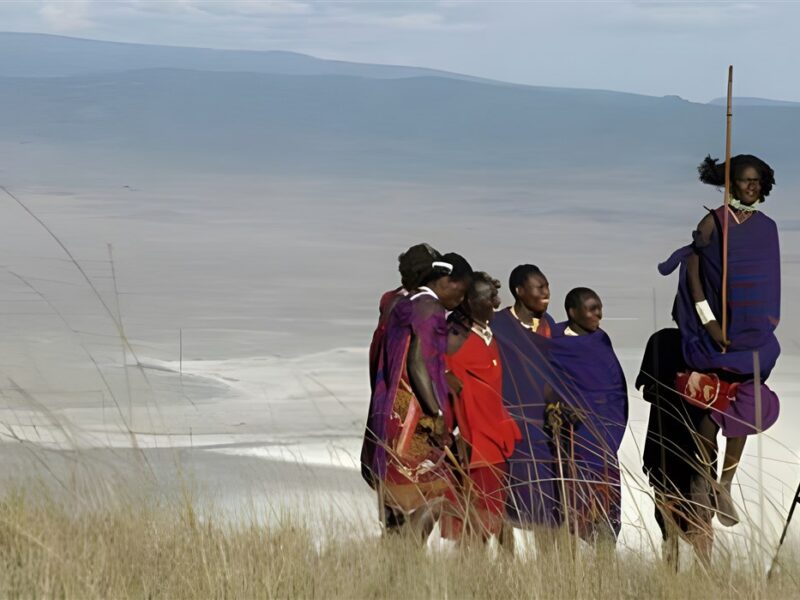
Long before its establishment as a protected area, the Masai used the plains as a place to graze their livestock and lived among nature in a semi-nomadic lifestyle that still continues to this day, although no longer in the Serengeti itself. In 1921, the British colonial rule set aside 3.2km2 to form a partial game reserve to protect Tanzania’s wildlife. In 1951, the Serengeti National Park was fully established and to limit the damage caused by human interference, the Masai communities were removed from the park eight years later, which still remains a controversial issue to this day. Rightly or wrongly, the Serengeti is still one of the few national parks that do not allow human inhabitants, save for those who stay in designated areas such as lodges and hotels. By enforcing this, Tanzania can continue to protect their native flora and fauna.
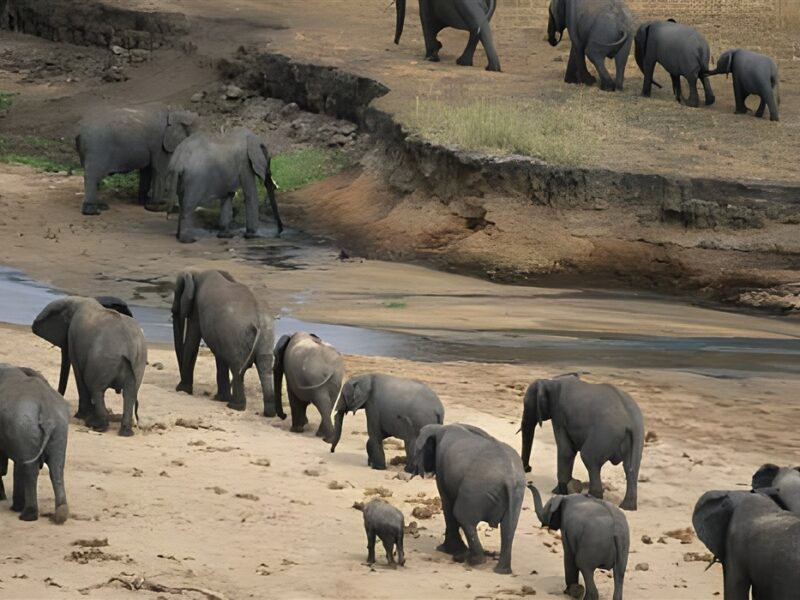
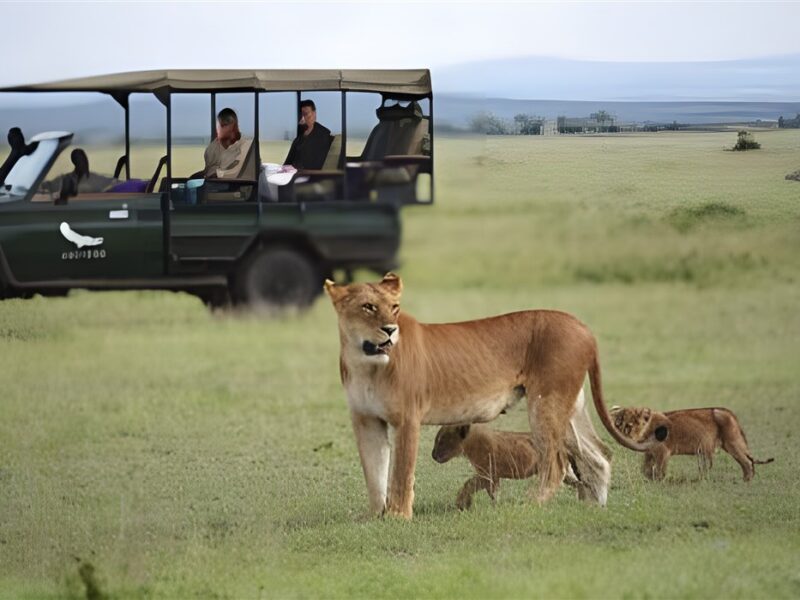
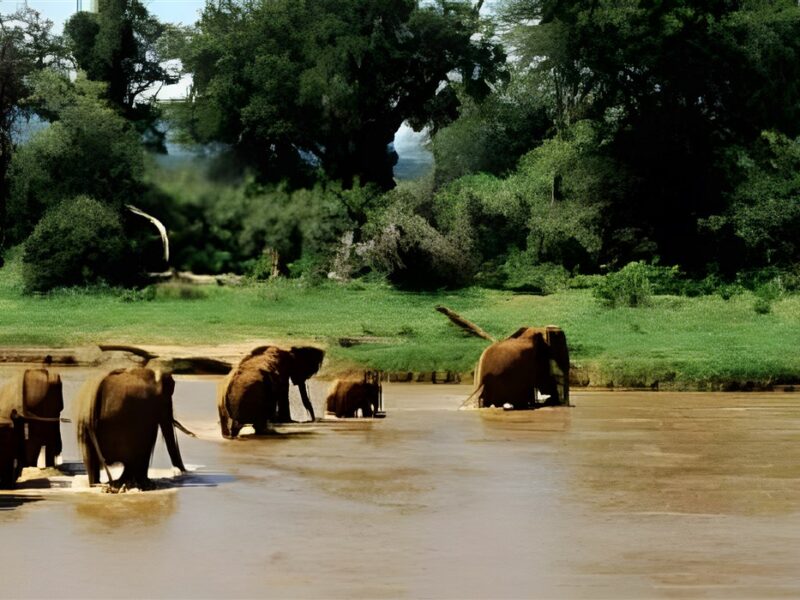
The Serengeti is home to the largest lion population in Africa, boasting more than 3,000 individuals. Of course you can also see the rest of the Big Five here, including leopards, African elephants, African buffalo and the Eastern black rhinoceros. There are also many other mammals to see, such as jackals, hyenas, giraffes, warthogs and baboons, as well as reptiles such as crocodiles, cobras and monitor lizards. And with over 500 bird species to spot, birding fanatics will be busy looking out for secretary birds, kori bustards, crowned cranes and other species endemic to Africa.
From June to September, more than 1.2 million wildebeest travel between Tanzania’s Serengeti and the Masai Mara National Reserve in Kenya. Visitors to the Serengeti during this time can witness this impressive migration, gaping with awe as wildebeest, accompanied by other herd animals such as zebra and antelope, thunder across the endless plains.
The Serengeti is ideal to visit throughout the year. Regardless of the season, the national reserve always offers excellent opportunities to see wildlife in their natural habitat.
Dry season – June to October
During the dry season, the vegetation is less dense, and animals tend to congregate around waterholes and rivers. This makes it a lot easier to view wildlife on the savannah. If you’d like to witness the annual wildebeest migration, visit the Serengeti’s Western corridor between June and July, or the Northern Serengeti from August to September.
Thanks to the sunny skies and minimal rainfall, there are fewer mosquitoes and therefore less chances of contracting malaria. However, due to increased tourism, the national park does experience high foot traffic and accommodation often becomes limited. Be aware that mornings and evenings can get quite chilly, so warmer clothing is advised for those early morning game drives between June and August.
Wet season – November to May
During the wet season, the Serengeti is bursting with greenery and baby animals. Wildlife can sometimes be more elusive, but there is still so much to see. In particular, fans of bird watching should visit during this time as migratory birds can be spotted.
At this time, the national park draws less tourism. This means that rates for safari holidays can be significantly reduced. And even though it’s the wet season, the rain comes at short intervals in the afternoon or early evening, which is not likely to interfere with your African adventure.
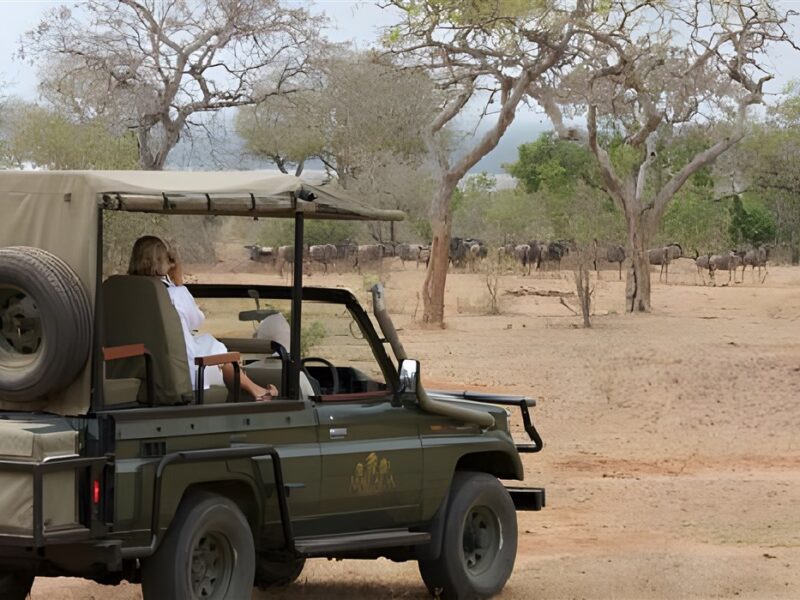
The Serengeti has much to offer to its visitors. Participating in game drives will add an educational element to your trip as you can learn much about the flora and fauna that you’ll see from our knowledgeable guides.
There is also an option of riding through the Serengeti on horseback. Saddling up and riding like a cowboy across the Great Plains is something many safari holidaymakers will remember fondly.
If you’re interested in African culture, visiting a Masai village is a necessary addition to your safari holiday. During your visit, observe how the Masai community continues to engage in a traditional way of living that has been passed down for generations.
For a unique experience, take to the skies in a luxury hot air balloon or private charter flight. You’ll have an incredible vantage point as you soar above the plains, allowing you to view the multitude of wildlife down below. This is especially spectacular during the annual wildebeest migration.
The Serengeti National Park is located in northwest Tanzania and covers an impressive area of 14,750 km2. With a diverse ecosystem and a range of habitats, the Serengeti is home to some of the most unique wildlife on the planet.
The national park is divided into three main regions:
Serengeti is part of a wider selection of TANZANIA holidays and accommodation.