Beneath the cliffs of the Manyara escarpment, it offers a tapestry of woodland, grassland and swamps. Another reason to visit are the famous tree-climbing lions.
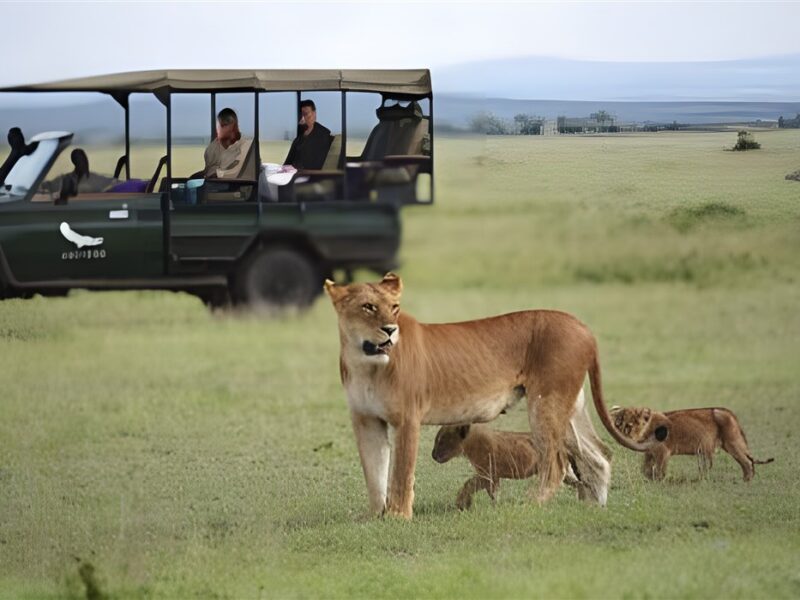
Beneath the cliffs of the Manyara escarpment, this park offers a tapestry of woodland, grassland and swamps. The lush jungle-like forest is home to hundreds of baboons and blue monkeys. In contrast are the grassy floodplains and alkaline lake where thousands of pink flamingoes are found. In addition to the amazing birdlife, another reason to visit are the famous tree-climbing lions.
Established in 1960, Lake Manyara National Park has managed to remain underrated as safari holidaymakers race to the world-renowned Serengeti and Ngorongoro. Babati, the capital of the Manyara region, had its name coined in 1918 when a German engineer misinterpreted the local boy’s answer – the boy was pointing at an older man and said “Baba ti”, meaning “my father”, as opposed to the township’s name.
The park has 330km2 of underwater forest, bush plains and of course, the centrepiece, Lake Manyara, which has alkaline waters with a pH level near 9.5 during the wet season but turns to a large area of mud flats during the dry spells. Hundreds of thousands of pink flamingos congregate on its shore during the wet season.
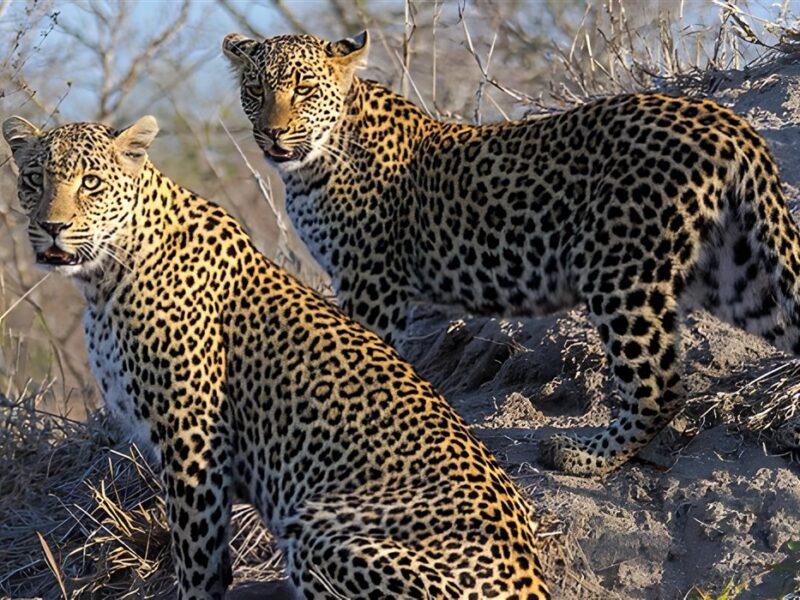
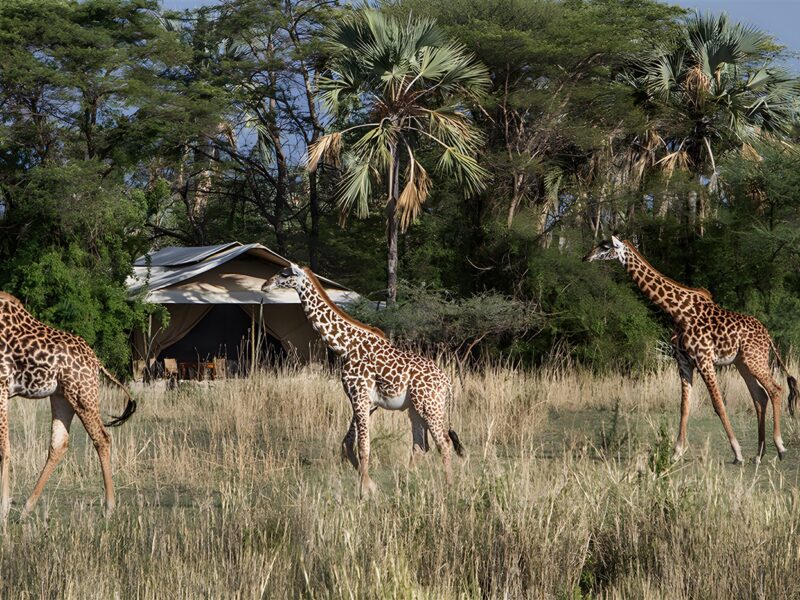
On the grassy floodplain, large herds of buffalo, impala, zebra and giraffe roam freely. This means fearsome predators like leopards, cheetahs, and tree-climbing lions are also lurking nearby, waiting to hunt. There is also a hippo pond at one end of the park where waterbirds such as herons and storks reside. The park is also home to one of the largest baboon troops in Africa, so there are plenty of excellent opportunities to observe and take pictures of this highly intelligent primate.
Dry season – June to October
At this time of year, animals are generally easier to spot because the bush is less dense and the animals tend to gather around watering holes. Expect sunny days and minimal rain.
This is also the most popular time to visit, which means that accommodation can be more expensive. Temperatures drop between June and August, so it’s highly advised to bring warm clothing for those early morning game drives.
Wet season – November to May
Due to the regular rains, the vegetation surrounding the Lake is incredibly lush and green. There are still plenty of opportunities to see the wildlife in their natural habitat, particularly for those who enjoy bird watching. Migratory birds flock to the area so keep your camera to hand!
The wet season is also the low season, giving you more opportunities to grab a great deal on accommodation. Additionally, the national park is less crowded as there are fewer tourists around.
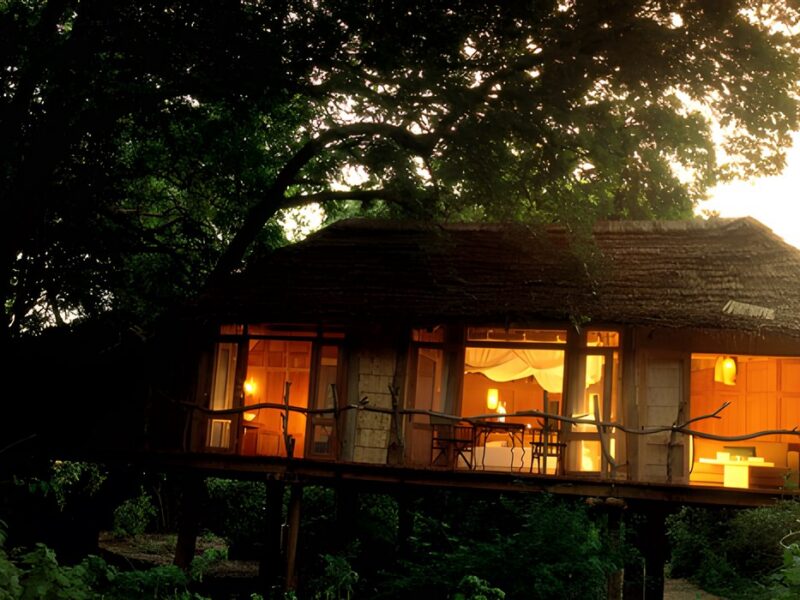
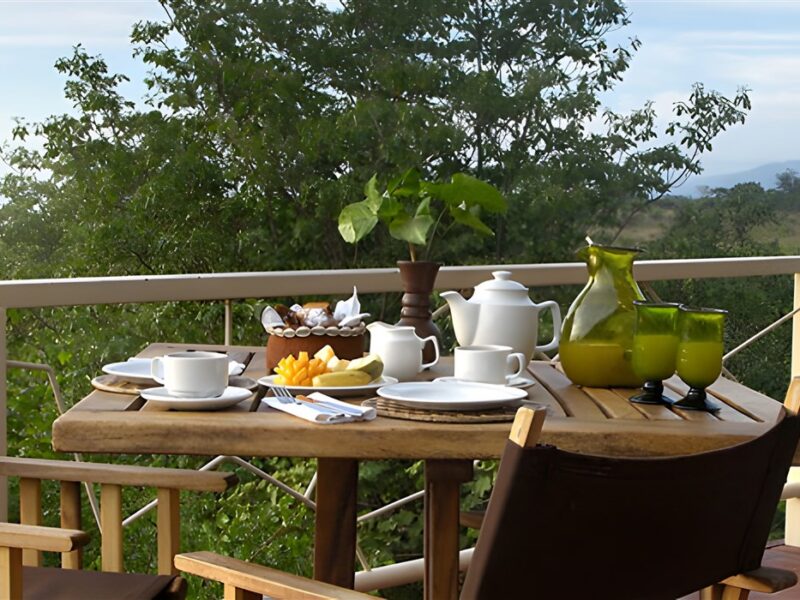
Lake Manyara National Park provides a range of incredible flora and fauna that is best viewed on the game drives and forest walks on offer at your lodge accommodation. Keep your eyes peeled for the lions in the treetops and for the baboon troops walking across the plains.
For a unique way to spot the local wildlife, head out on a canoe safari trip during the wet season. This is the perfect way to get up close and personal with the animals on the Lake and learn more about them from your canoe guide. Travelling on the Lake is an incredible experience, just be prepared to be surrounded by hundreds of fabulous flamingos and curious hippos.
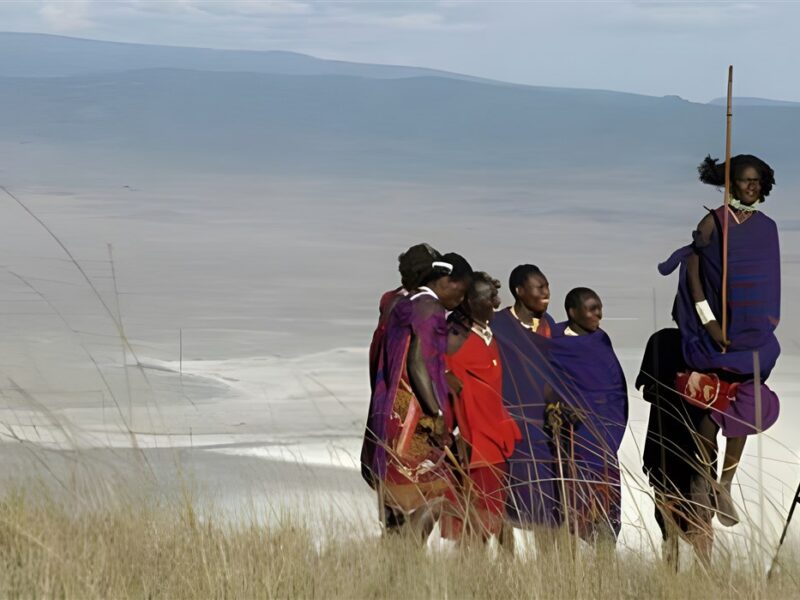
To add a cultural twist to your safari adventure, visit the nearby Mto Wa Mbu village. As a local market hotspot, you’ll be able to get hold of a variety of special souvenirs that will help you to remember your incredible African holiday for years to come.
Located in the northern part of Tanzania, the Manyara region is famed for its large plains, lush acacia woodlands, and the spectacular Lake Manyara, which frequently leaves visitors gazing at the pink flamingos. Said by Hemingway to be the “loveliest (he has seen) in Africa”, Lake Manyara is now a designated national park stretching for 50km along the base of the high Rift Valley escarpment between Ngorongoro and Tarangire.
Getting to the park is easy. Most people fly into Kilimanjaro International Airport (JRO) and start from the town of Arusha. The journey from Arusha to the park will take around an hour and a half by car.
Manyara is part of a wider selection of TANZANIA holidays and accommodation.