The Ngorongoro, one of Africa's World Heritage sites, is a natural wonder and a world-class attraction for visitors to Tanzania.
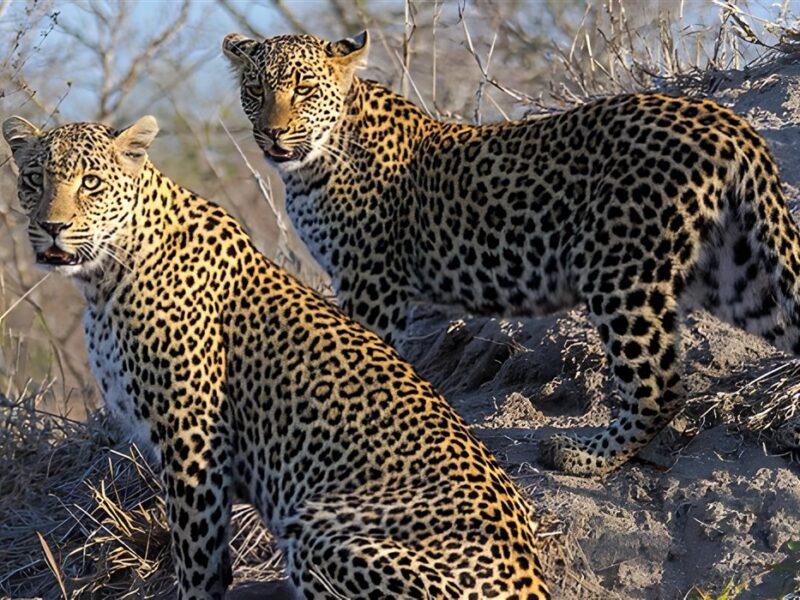
The Ngorongoro Crater, a UNESCO World Heritage Site, is a natural marvel renowned for its breathtaking caldera and abundant wildlife. This unique ecosystem, a blend of grassland, savannah, and woodland, is home to a diverse array of species. The area offers a diverse range of activities for nature enthusiasts and adventure seekers. The most popular activity is undoubtedly game drives, where visitors can encounter an impressive array of wildlife, including Africa’s Big Five. Other popular activities include birdwatching, cultural tours of Maasai villages, and hiking to the rim of the crater for breathtaking panoramic views. Visitors can also explore Olduvai Gorge, a renowned archaeological site nearby.
With the Serengeti National Park being established in 1951, Masai tribes living in that area were forcibly removed in 1959 in order to preserve the wildlife. Due to this, these Masai communities were placed in the Ngorongoro Conservation Area, which increased the population of Masai and livestock living within the Crater. Later, in 1976, the Ngorongoro Conservation Area Authority was founded to ensure the protection of the wildlife and human population alike, with the area then becoming a UNESCO World Heritage Site in 1979.
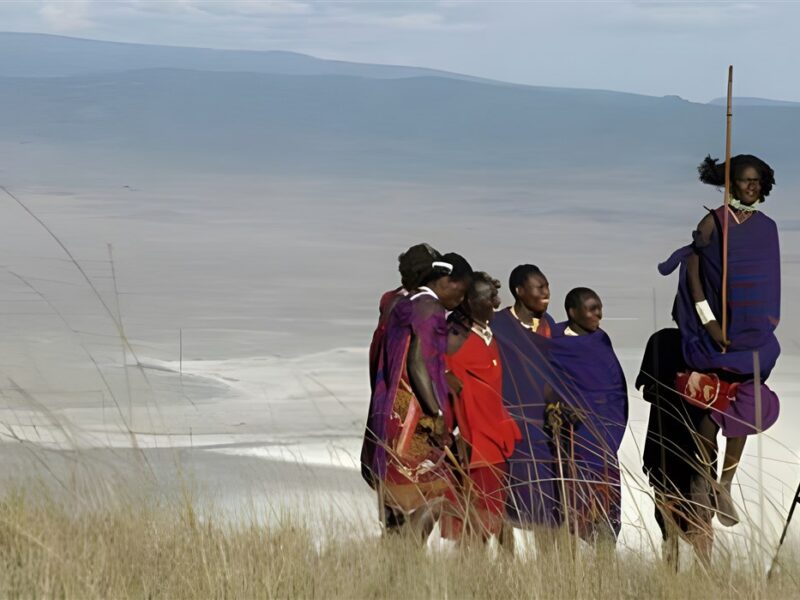
The name of the national park, Ngorongoro, is of Masai origin. It comes from the Masai word that is used to describe the sound made from a cowbell (‘ngoro ngoro’). The Masai people live within the national park and continue to preserve their traditional pastoral ways. Historically, the Ngorongoro Conservation Area has always been populated by humans, as fossil records have shown that a number of hominid species have lived in the area for 3 million years. It still continues to support human populations, as it remains the only conservation area in Tanzania that allows human habitation. Land use is still heavily controlled to ensure that the wildlife is protected, but cultivation, on a minor scale, is allowed and tribal communities are permitted to reside in the area.
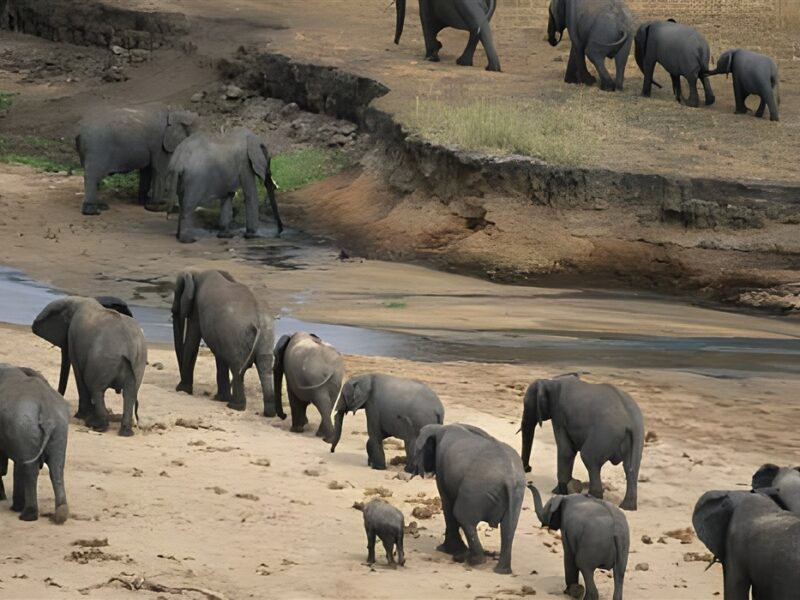
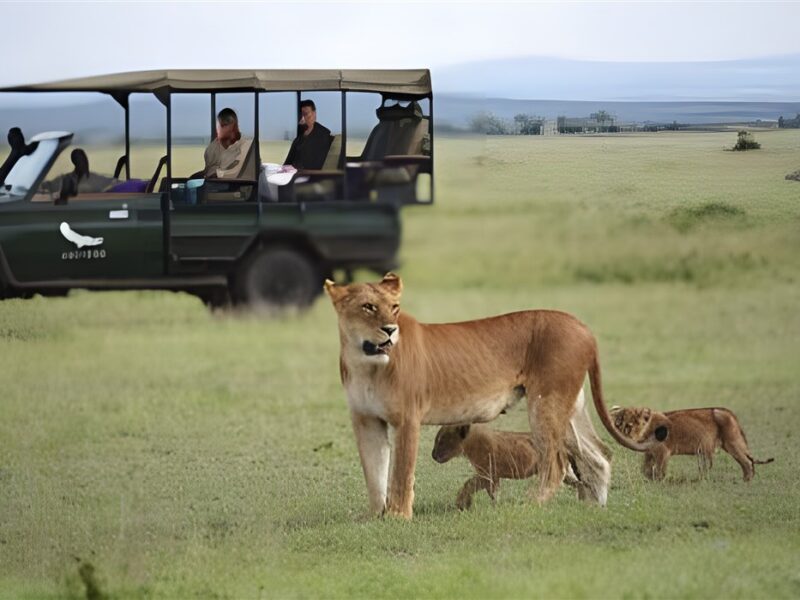
There are approximately 25,000 large animals living inside the Crater, including black rhinoceros, hippopotamus, cape buffalo, wildebeest, zebra, and gazelles. The Crater’s biggest attraction, though, is the large number of Masai lions that reside on the Crater edge, the densest known population of lions in fact. Another wildcat that is common to the Crater is the serval, which you can attempt to spot on one of your Ngorongoro safari game drives. Lake Magadi is also home to thousands of flamingos.
The Ngorongoro Conservation Area offers perfect wildlife viewing all year round. The dry season brings long, hot days with animals congregating around waterholes and rivers, while the wet season is the best time to spot migratory birds. Regardless of the month, you’ll have a fabulous safari holiday in Ngorongoro.
Dry season – June to October
During the dry season, you’ll see lots of wildlife since the bush is less thick and animals will meet around waterholes and rivers. There is also hardly any rain and plenty of sunshine, which means that there will be fewer mosquitoes.
On the other hand, the Crater can get very busy with tourists flocking to the area. This means that competition for accommodation can be rife, so book your safari lodge in Ngorongoro early to avoid disappointment. In addition, the mornings and evenings can get rather cold, and so it’s advisable to bring some warm clothes with you for those early morning excursions.
Wet season – November to May
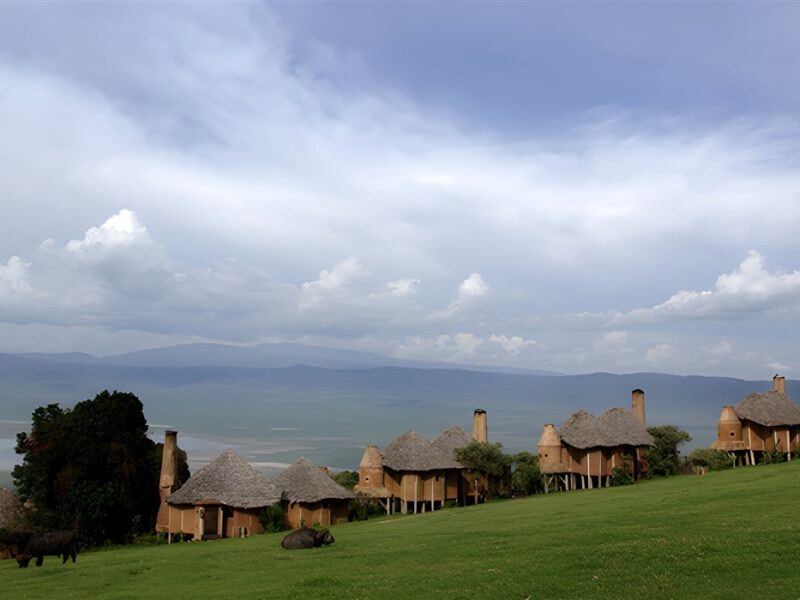
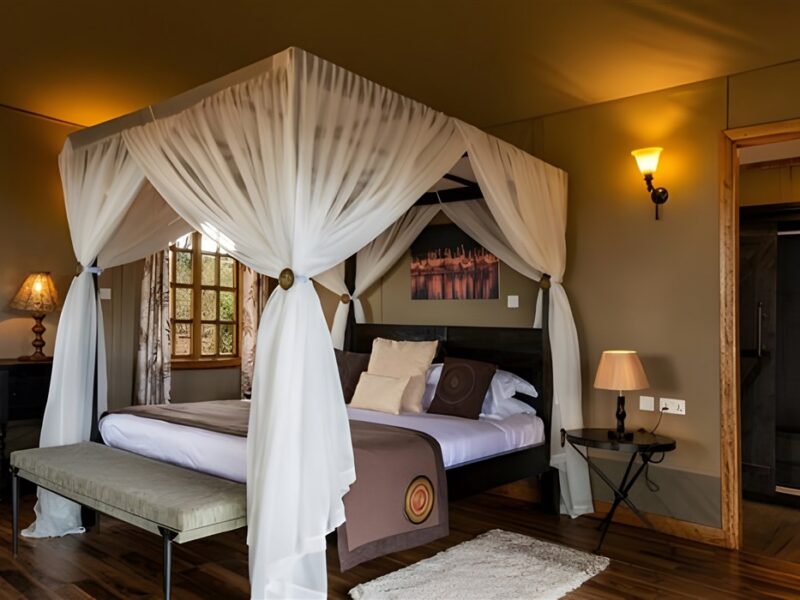
The wet season still offers excellent wildlife viewing. The crater and surrounding area are lush and green and there are still plenty of animals to spot, including many migratory birds. The most notable advantage is there are fewer tourists during this season, so you can snag some prime accommodation like the luxury Ngorongoro Serena safari lodge.
From March to May, the wet season is at its peak and you can expect rain every day, and lots of it! However, during the rest of the wet season, rainfall usually comes in short bursts during the late afternoon, which means that they are unlikely to interfere with your Ngorongoro safari adventure. It can also get very cold in the mornings and evenings, so pack some warmer clothing with you.
The Ngorongoro Conservation Area is the perfect place to discover diverse flora and fauna on a game drive with our dedicated guides. For something more adventurous, you can embark on a Ngorongoro crater safari tour which includes a Crater walk. Your guide will take you down into the Crater itself where you can wander around together and soak up the atmosphere of this African treasure. A popular Tanzania holiday package that includes a picnic lunch on the crater floor is the 8-night Sky Safari Tanzania Classic.
For an archaeological twist to your safari holiday, visit the Olduvai Gorge. This is one of the most important prehistoric sites in the world, as the earliest known fossils of the human species were first identified here. You can also visit a Masai village to learn more about the history of this ancient tribe and to see how traditions have been passed down through generations first-hand.
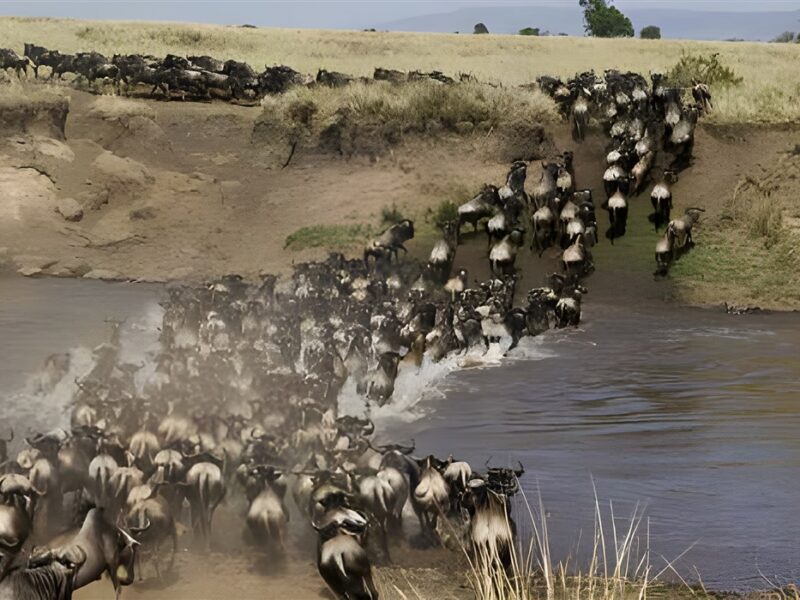
Located in northeast Tanzania, the vast, UNESCO-listed Ngorongoro Conservation Area borders the Serengeti National Park to the northwest and extends into the southern plains, forming part of the larger Serengeti ecosystem. The main attractions here are the Big Five, the Ngorongoro Crater, and the Olduvai Gorge archaeological site where hominin fossils dating back millions of years were discovered. Covering an area of 8,292 km², this area attracts a rich variety of wildlife and the annual wildebeest migration is simply spectacular.
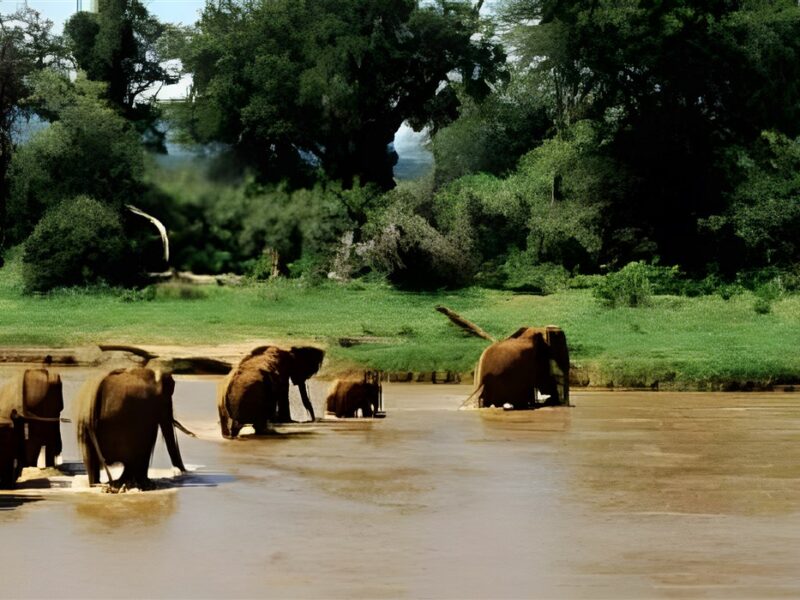
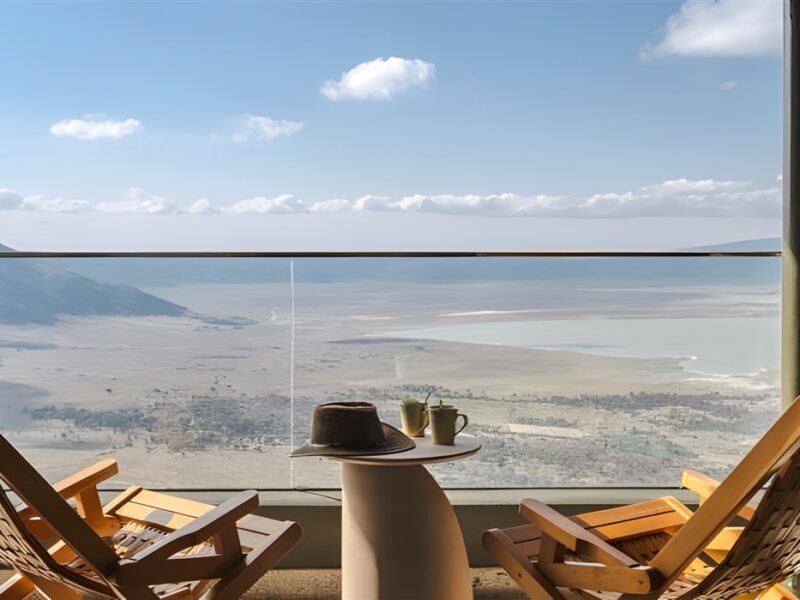
The Ngorongoro Crater is well worth a mention. Take a Ngorongoro crater safari tour to see this natural phenomena formed two to three million years ago when a large volcano erupted and collapsed in on itself. It’s worth mentioning that this 610m deep and 120km wide crater is the world’s largest caldera. There are several water sources feeding the crater, with the Munge Stream counted as the main source which drains into a seasonal salt lake (Lake Magadi) in the centre of the crater. The Lerai Stream at the south of the crater feeds the dense Lerai Forest on the crater floor. At the eastern crater wall is the Ngoitokitok Spring which is another main water source. Due to the constant water supply, this crater is now a cradle for an abundance of wildlife including large herds of hippopotamus, elephants and wildebeest. This has in turn attracted predators such as prides of lions waiting to hunt, and giving you an unforgettable Ngorongoro safari experience.
Ngorongoro is part of a wider selection of TANZANIA holidays and accommodation.